The Top Techniques To Control A Coin Toss
Posted: October 10, 2025
Updated: October 10, 2025
Just imagine how different things might look today if you'd been able to control a coin toss on command. Many people still beleive that a coin toss is not equal odds of 50:50. However, in reality, the coin toss really is about our own expectations and desires.
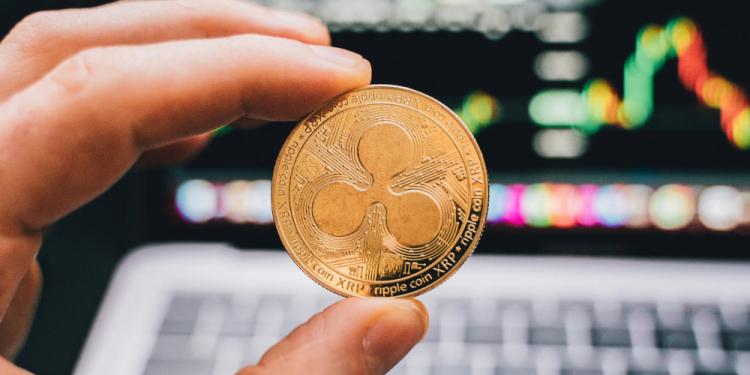
I’ve always been fascinated by chance. There’s something oddly calming about letting a coin decide. Heads, I go for it. Tails, I hold back. It feels fair, simple, and honest. But over the years, I started wondering if that little flip is as random as it seems. Could someone actually control a coin toss? I’ve seen people swear they can, and others laugh it off. As someone who spends time around gamblers, especially online players, this question comes up more often than you’d think. In sports, in casinos, even in everyday choices, we trust that flip. But is it trust well-placed? Or have we been fooling ourselves with a false sense of fairness all along? In this Gamingzion article, let’s find out.
The Basics: How a Coin Toss Works
I remember the first time I paid real attention to how a coin spins. I flicked it, watched it wobble, rise, then come back down like it had a mind of its own. Most of us assume the outcome is fifty-fifty, but the truth is, a coin toss is a bit more complicated. When you flip, the speed, height, and spin all play a role. If you catch it instead of letting it land, the angle of your palm matters too. You can’t always see it, but physics is working overtime in those few seconds. And that’s where people start to wonder if you can control a coin toss. I’ve tried hundreds of times, in boredom or curiosity, to flip the same coin and call it right. Sometimes I’d hit a streak and think I had it mastered. Then it would go wrong again, and I’d realize I probably didn’t.
The Odds: Is It Really 50/50?
Most people think of coin tossing as perfectly fair. But science says otherwise. A few clever researchers found that a coin has a tiny bias toward the side that started facing up. We’re talking about a 51% chance, not much, but still something. So technically, the odds aren’t even. If you start with heads up, you might be slightly more likely to land on heads. That gives a small bit of hope to those who believe they can control a coin toss. Still, in the grand scheme of gambling or betting, that one percent won’t make you rich. If you play at Bet365 Casino, for example, you’ll see games that offer far better control over your odds than a coin ever could. But that doesn’t stop me or anyone from being drawn to the purity of that 50/50 moment.
Physics in Motion: The Science Behind the Flip
I once read that a coin toss isn’t truly random. Iit’s just so complex that it “feels” random. If you knew every tiny detail, like the force of your thumb, air resistance, and how high the coin goes, you could, in theory, predict the outcome. That’s what scientists call deterministic chaos. Every flip follows laws of motion, but humans can’t calculate all that in real time.
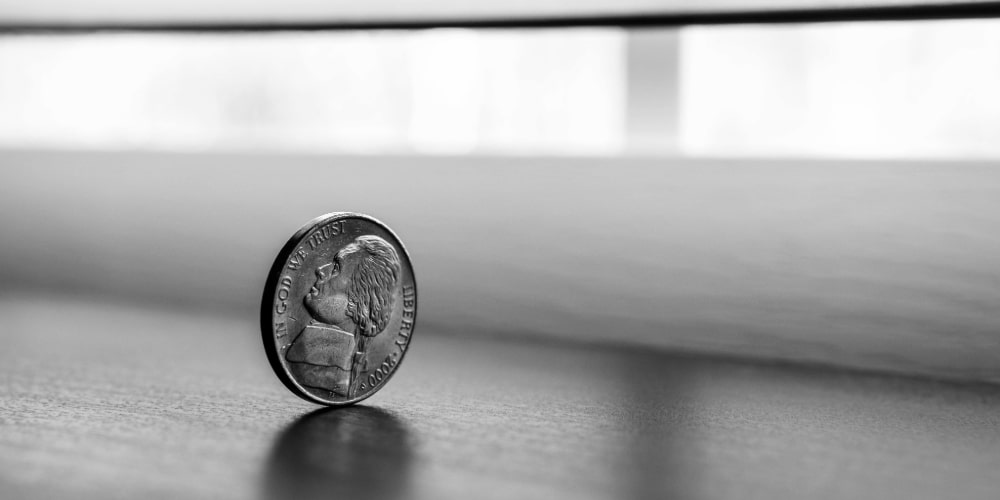
So for us, it’s unpredictable. That’s what makes the question of whether you can control a coin toss both fascinating and frustrating. The next time you flip, watch closely. The coin spins about 20 to 30 times per second, wobbling just a little before landing. Even the surface it lands on can shift the odds. Harder surfaces make more bounces, while softer ones absorb energy. It’s simple physics with a dash of mystery.
The Role of Skill: Can You Learn to Control a Coin Toss?
This is where things get interesting. Some folks believe that with enough practice, you can learn to control a coin toss. I’ve tried a few of their tricks like flipping gently so the coin doesn’t spin too much. You can actually make it look like a fair toss while keeping the same side up. It’s a bit like throwing dice just right in a casino, or shuffling cards with flair. The more you do it, the more you notice patterns. But being able to repeat a toss exactly is tough. A tiny twitch in your finger can change everything. I’ve seen magicians and gamblers show off “controlled tosses” that seem almost magical. But the truth is, it’s still half-luck, half-skill. You can improve your odds a little, but full control? That’s a tall order.
Tricks of the Trade: How Magicians and Gamblers Influence Coin Tosses
I once met a magician at a poker night who could make a coin land any way he wanted. He said it wasn’t magic, just muscle memory. He could control a coin toss by keeping it flat and flipping it softly so it never really turned over. It looked random, but it wasn’t. That trick has been around forever. Some street hustlers used it to scam people on bets. Others used weighted coins that favored one side. I wouldn’t try that at a casino, though. Any trick that tampers with fairness crosses a line. Still, the showmanship fascinated me. Even in honest play, that illusion of control keeps us curious. It’s the human need to believe we can shape luck, even if we can’t.
The Psychology of Coin Tosses: Why Humans Seek Control
I’ve noticed that people often use a coin toss when they’re stuck between two choices. It’s not really about luck—it’s about relief. When I’m torn, that flip helps me move forward. But here’s the funny part. Right before the coin lands, I often realize what I “want” it to be. That moment of truth exposes my real preference. The flip isn’t just a decider; it’s a mirror. That’s also why the idea that you could control a coin toss feels so powerful. It gives the illusion of controlling fate, even if only for a second. We like to think we’re steering our lives, even when chance has the wheel.
When the Stakes Are High: Coin Tosses in Sports
Sports fans of cricket and football know how tense a coin toss can be. In the NFL, for example, a coin flip decides who starts with the ball. One flip can change the course of a game. Players know it’s supposed to be fair, but sometimes luck leans one way too often. I’ve watched teams celebrate like they’d already scored a touchdown just from winning the toss. And honestly, I get it. That single moment feels huge. So can someone control a coin toss in sports? Probably not. The tosses are supervised, and conditions are standardized. Still, even a 51% bias can make people nervous. It’s that little whisper of “what if” that makes every toss feel alive.
Famous Coin Tosses in History
There have been historic coin tosses that shaped more than just games. One of my favorite stories is about Portland, Oregon. Two men flipped a coin to decide the city’s name. One wanted to call it Portland, the other Boston. Portland won. Imagine if that coin had landed differently.
Then there’s the long tradition of the Super Bowl coin toss. It’s become a ritual with millions watching to see if it lands heads or tails. Even politicians have relied on it in tight elections. Each of these moments reminds me why people still talk about how to control a coin toss. It’s not just a flip; it’s a decision that can echo for decades.
Casino and Gambling Connections
As someone who plays online, I can’t help but notice how often coin flips show up in betting games. Some online casino sites in the US even offer virtual “coin flip” games. They use random number generators instead of real coins, but the idea is the same, simple and even. At Bet365 Casino, you’ll see this principle in action with certain games that mimic that quick win-or-lose thrill. It’s honest, fair, and easy to understand. But even then, I’ve heard players wonder if there’s a way to control a coin toss in these digital versions. Spoiler: there isn’t. The algorithms are built to be random, and regulators check them constantly. Still, that desire for control never really goes away.
Can Technology Predict or Control a Toss?
I once saw a slow-motion video where a computer analyzed a coin toss. It measured every movement, then predicted the outcome perfectly. That blew my mind. Technically, yes, with enough data, you could control a coin toss. But only if you had sensors, cameras, and precise timing. In real life, no one’s flipping coins with lab gear. Humans are messy. We twitch, breathe, get nervous. That’s why technology can do it, but we can’t. Still, it’s comforting to know that randomness isn’t magic. It’s just complexity we can’t measure. That gives me a new respect for every toss I’ve made.
Experimenting at Home: Testing Coin Toss Bias
I once spent an afternoon flipping a coin 1,000 times. It sounds boring, but it taught me a lot. I wanted to see if I could control a coin toss through practice. I couldn’t. Heads came up 504 times, tails 496. Close, but not exact. What surprised me most was how streaky the results were. Sometimes I’d get ten heads in a row, then ten tails. It felt unfair, but that’s randomness for you. If you ever try it yourself, you’ll see patterns where none exist. That’s our brain craving order in chaos. It’s humbling and a bit addictive.
Factors That Can Skew a Coin Toss
Coins aren’t perfect. Some are thicker, some scratched, some slightly warped. Those small flaws can influence results. I learned that if you toss on carpet versus a hard table, you’ll get different patterns. Even humidity can matter. All of these little quirks make it even harder to control a coin toss. Your flipping hand, your posture, the way you catch it all matters more than you think. That’s why official coin tosses, like in sports, have strict rules. Everyone wants to eliminate even the smallest bias. Because in moments that decide millions, no one wants luck to feel unfair.
Coin Tosses vs. Other Random Decision Methods
People have used dice, drawing straws, even rock-paper-scissors to make choices. But the coin toss has always been my favorite. It’s fast, visual, and easy to trust.
If you’ve ever visited online casino sites in the US, you’ll notice they offer many ways to test luck such as roulette wheels, dice rolls, card draws. All of them play with the same principle of randomness. But there’s something raw about trying to control a coin toss. Maybe it’s the simplicity. One object, two sides, endless meaning. No machines, no fancy rules. Just gravity and hope.
Coin Tosses in Pop Culture
Movies love a good coin toss. Think of that chilling scene in No Country for Old Men where a man’s life hinges on a flip. That’s the drama of chance in that the coin becomes fate itself. I’ve seen similar moments in old Westerns, action films, even comedies. We use the coin toss as a symbol for life’s unpredictability. Maybe that’s why the urge to control a coin toss feels so human. We’re drawn to the idea of bending fate, even in tiny ways. And stories keep that fascination alive, generation after generation.
The Deeper Question: What Does “Random” Really Mean?
I’ve thought a lot about randomness. Some scientists say nothing is truly random. They claim everything is simply a matter of cause and effect, just too complicated for us to track. Others think true randomness exists, and we’ll never fully grasp it. So when I ask if I can control a coin toss, what I’m really asking is: can I control anything that feels random? Maybe not. But maybe that’s the beauty of it. Sometimes, life’s unpredictability keeps us honest. If everything were predictable, gambling, games, and even love would lose their thrill.
Chance, Control, and the Human Desire to Know
After years of flipping coins, I’ve accepted that I’ll never fully control a coin toss. I can influence it a little, sure, but never guarantee the result. And that’s okay. There’s something freeing about letting chance have its say. As someone who enjoys reading online casino news in the US, I see that same tension everywhere: our desire to predict and our need to feel lucky. Whether we’re betting on a spin, a card, or a coin, we’re chasing that rush between certainty and surprise. So maybe the next time you flip, don’t overthink it. Let it spin, watch it fall, and trust the moment. That tiny flash of uncertainty. Yet that’s where life hides its best stories.
Click here to try the best online casino at bet365 Casino





GAMBLING NEWS IN UNITED STATES


2025-12-04

2025-12-04

2025-12-04

2025-12-04

2025-12-03

2025-12-03
