Different Formula Series Explained: To Find Your F1 Alternative!
Posted: March 18, 2026
Updated: March 18, 2026
-
Is there an F1 with the same cars?
-
How to bet on different Formula series?
-
Different Formula series explained
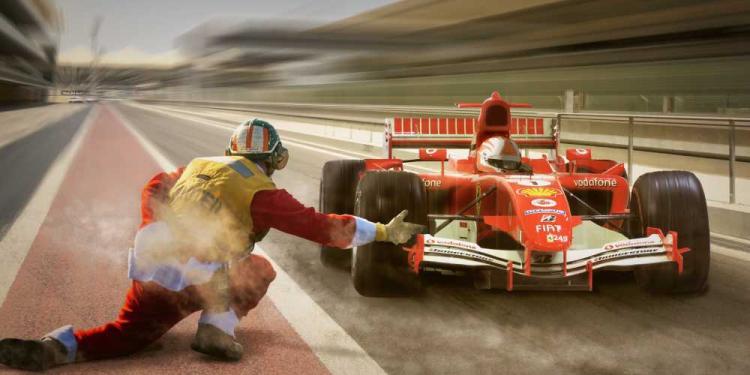
This guide offers a deep dive into the different Formula series explained, covering everything from the elite speed of Formula One to the innovative technology of Formula E. By exploring these categories, you will discover how young talents evolve into world-class champions on the track.
Not a fan of the current 2026 F1 season so far? Aspiring fans often feel overwhelmed when they first look at the different Formula series explained in modern media. From the global sensations of the top tier to the local grit of junior categories, each level serves a unique purpose in the racing world.
Understanding these distinctions helps you appreciate the journey every professional driver must take to reach the podium. While F1 stands as the highest level of prestige and competition, you might find more entertainment in the other categories you haven’t known about yet! Register at any of the online sportsbook sites in Japan to bet right away!
Formula One: Different Formula Series Explained
This is the most popular formula of all. To get an idea of all the teams, we recommend taking a look at our list of the top 11 F1 team principals. Global brands like Ferrari and Mercedes dominate the history of this elite sport. Because of their massive budgets, they often lead the pack in innovation. Nevertheless, smaller teams occasionally surprise the world with clever aerodynamic solutions. This unpredictability keeps the global audience engaged across many different continents. Furthermore, the hybrid power units represent some of the most efficient engines ever built. Engineers combine internal combustion with electric energy to produce over a thousand horsepower.
Thus, the cars accelerate with terrifying speed on every long straightaway. The drivers in this series are household names across the entire globe. Because only twenty seats exist, the battle for a contract never ends. Young talents from lower categories dream of reaching this final stage one day. Meanwhile, veterans fight to keep their spots against rising stars from junior academies. Every race weekend serves as a test of mental and physical strength. Therefore, the physical training for these athletes involves intense neck and core workouts. High G-forces pull at their bodies through every sharp corner on the track. Register at 22BET Sportsbook to bet on Formula 1!
Formula 2, 3, & 4
The different tiers are where people first want to have all the different Formula series explained. The Formula series is prior to Formula 1. In a way, it is a qualification for the higher tiers from 4 to 1. According to the Allen Berg Racing Schools, the difference in 2, 3, and 4 is generally the speed of the cars and the organization. These lines are all about developing talent and potentially preparing them for Formula One or IndyCar. Formula 4 acts as the first step for drivers leaving karting behind. This entry-level category focuses on teaching the basics of single-seater handling. Because the costs are lower, more families can afford to participate here. However, the competition remains incredibly stiff among these hungry teenage athletes. Moving up to Formula 3 introduces significantly more power and complex aerodynamics.
These cars require a more refined driving style to achieve fast lap times. The learning curve becomes steeper as the drivers progress upward. Formula 2 sits directly below the top tier of international motorsport. Because these cars are very fast, they prepare drivers for extreme speeds. Many experts believe Formula 2 is the ultimate test of raw ability. Since every team uses the same chassis, nobody has a technical advantage. Thus, winning this championship almost guarantees a look from major Formula One teams. However, finding the budget for a full season remains a massive challenge. Sponsors usually prefer drivers who show consistent results across various tracks.
Formula E: Different Formula Series Explained
Formula E is generally more ethical and sustainable, using electric cars. There are many Formula E winners, yet they are not as popular as Formula One drivers. The cars in Formula E feature unique technology compared to traditional series. Since they lack internal combustion engines, they operate with a futuristic hum. However, the torque from electric motors provides incredible acceleration out of corners. Drivers must manage their battery life carefully throughout the entire race distance. If they use too much energy early, they might lose positions late. Thus, strategy plays a crucial role in deciding the final podium spots.
This mental challenge adds a deep layer of complexity to every event. Sustainable racing does not mean the competition is any less intense. Manufacturers use the series to develop better battery tech for road cars. Because of this, Formula E serves as a vital laboratory for innovation. The series continues to grow as more cities host these electric events. However, it still fights for mainstream attention in a crowded sports market. Nevertheless, the commitment to a cleaner future remains its strongest selling point. Eventually, the technology found here will likely power all our daily commutes.
IndyCar Series
As we have explained the different Formula series, the IndyCar brings more oval and dirt-based tracks. The IndyCar Series offers a wild and equal alternative to European racing. The IndyCar Championship is something like the more equal, yet wilder, American cuisine of Formula One. Technically, IndyCars are very different from their Formula One counterparts. They use a standard chassis built by Dallara to keep costs down. Because of this, smaller teams can actually compete for race wins. This parity leads to frequent lead changes and very exciting finishes. However, the cars lack the complex power steering found in other series. Drivers must use significant physical strength to turn the wheel at speed. Consequently, IndyCar is known as one of the most physical sports today. The atmosphere in the IndyCar paddock is generally more open and friendly.
Fans can often get closer to the drivers and the machines. Because the series stays mostly in North America, it has a local feel. Nevertheless, it attracts international talent from Formula One and other major series. This blend of styles makes the on-track battles very interesting to watch. Because the cars can bump into each other, the racing stays very aggressive. Thus, the series provides a high level of entertainment for the viewers. Safety innovations in IndyCar have saved many lives over recent years. For example, the Aeroscreen protects the driver’s head from flying debris. Because the cars race on ovals, high-speed impacts are a constant risk.
USF 2000: Different Formula Series Explained
USF 2000 serves as a vital entry point for the American ladder. According to the Formula Scout, the USF has lower power, downforce, and costs compared to Formula 1. The costs of USF 2000 are much lower than those of the European junior series. Because of this, it attracts talent from many different financial backgrounds. Keeping the series affordable ensures a healthy number of entries every year. However, the level of competition remains surprisingly high in the young field. Many drivers see this as their only path to the Indy 500. Thus, every race on the calendar feels like a championship final.
This intensity prepares them for the professional pressure of higher categories. Teams in USF 2000 focus heavily on teaching and driver development. Because the cars are simple, engineers can explain technical concepts clearly. Drivers learn how to communicate their needs to the mechanical crew. This relationship is essential for success as they move up the ranks. Furthermore, the series often shares race weekends with the main IndyCar events. This gives young drivers a chance to perform in front of bosses.
Super Formula
Finally, we had all the different Formula series explained, except one: The super local and underground Japanese series. Super Formula represents the highest level of open-wheel racing in Japan. According to The Japan Times, the Super Formula is the Japanese version of Formula, specific to the country and its manufacturers. The tracks in Japan are famous for being technical and very challenging. For instance, Suzuka is a favorite among drivers for its high-speed turns. Because the circuits are narrow, overtaking requires a very bold move. This makes the qualifying sessions even more important for the final result. However, the tire management strategy often decides who wins the actual race.
Drivers must work closely with their Japanese teams to find perfection. Thus, the language barrier sometimes adds an extra challenge for foreign racers. Manufacturers use Super Formula to test new engine technologies for production. Because the competition is so fierce, they push every part to the limit. This drive for excellence benefits the entire Japanese car industry over time. Register at 22BET Sportsbook and bet on any Formula series!
Click here to check out the latest betting markets at 22BET!


GAMBLING NEWS IN UNITED STATES


2026-03-18

2026-03-16

2026-03-16

2026-03-16

2026-03-16

2026-03-16
