Gambling In Medieval England: The Cultural History Of Gaming
Posted: March 26, 2026
Updated: March 26, 2026
-
The historic culture of English table games
-
The history of tavern games in England
-
Gambling in medieval England
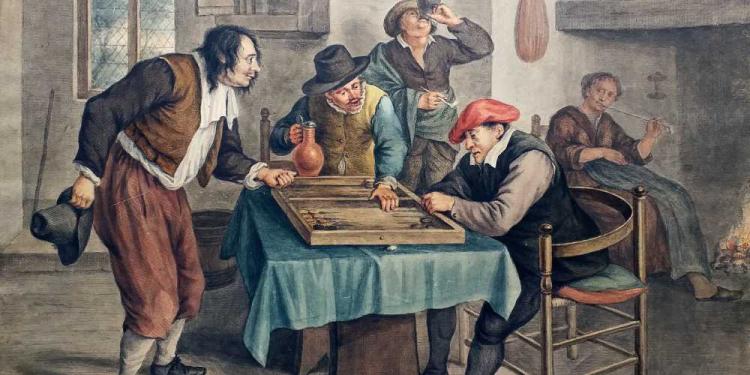
Discover the hidden world of gambling in medieval England, where dice rolls and card tricks ruled the night. This article explores the dangerous taverns, the harsh legal penalties, and the favorite games of the era. Learn why the Church feared these pastimes and how they survived despite strict bans.
History reveals that gambling in medieval England was more than just a simple hobby. It was a complex social phenomenon that defined the lives of the peasantry.
People risked their meager earnings in dark taverns to find a moment of joy. However, the Church and the Crown constantly fought against these popular traditions. Register at any of the online casino sites in the UK to try the best games today!
Taverns And Gambling In Medieval England
According to Medieval Recipes, people mostly gathered in taverns to enjoy various games, such as card games, card tricks, hazard, chuck-a-luck, and, of course, dice games. Gambling in medieval England also bridged the gap between different social tiers. Occasionally, a traveling merchant or a minor noble entered a local tavern. They would sit beside peasants to test their luck and skill.
Because money was the great equalizer, status mattered less at the table. However, these interactions sometimes led to accusations of unfair cheating. A wealthy man might feel insulted by losing to a commoner. Therefore, the social tension in taverns remained palpable during every single round. Despite the risks, the promise of a big win kept the benches full. People loved the social bond formed over a shared deck of cards. Thus, the tavern became the true heart of English gambling history. Register at the UK Casino Club to try gaming in our modern age!
List Of Medieval Gambling Games
Gambling in medieval England had many different faces and tools. According to Reddit, the “Book of Games” described various games and their rules. These are the following:
- Fifteen Pieces
- Twelve Dogs, Twelve Brothers
- Double
- Six, Two, and Ace
- Emperor
- Half Emperor
- Paired Entry
- Alongside Fives
- All Pieces
- Laquet
- Courtly Puff
- Common Puff
- Rencontrat
Of course, not all were common in Medieval England. However, the Irish games were often brought into nearby countries. Dice games were the most common games in England at the time. English players preferred games that moved at a very fast pace.
They wanted immediate results rather than long, drawn-out sessions of strategy. Because of this, simple dice throws garnered the most consistent attention. However, the more complex board games appeared in manor houses and castles. Nobles had more free time to master the intricate rules of the Emperor. Thus, a divide existed between peasant games and those of the elite. Regardless of the specific game, the core goal remained the same. Everyone wanted to walk away with more silver than they started with.
Click Here To Register at the UK Casino Club!
Ethics On Gambling In Medieval England
The culture was heavily influenced by the Church. For example, clerics and other associates of the Church were not allowed to gamble or even visit taverns. There were unwritten societal rules for games. But if someone amassed an infamy for cheating or causing trouble, they often had to face legal penalties from their local communities. Honesty was highly valued despite the naturally competitive nature of the wagers. Because reputation was everything, a cheater lost more than just his money. He became an outcast in his own small, tight-knit village. However, if someone amassed infamy for cheating, the law intervened directly.
Local communities meted out legal penalties to protect the common good. Thus, the ethics of the game were tied to social survival. A fair player earned respect even if he lost his entire fortune. Because of this, many gamblers followed a strict code of conduct. They paid their debts promptly to avoid public shame or violence. Therefore, the game was a matter of honor for many Englishmen. The Church continued to preach against the “devil’s bones” every Sunday. However, the clatter of dice continued behind closed doors across the land.
The Dangers Of Playing Games In Taverns
Of course, gambling in medieval England was very dangerous. Entering a medieval tavern involved a significant amount of personal risk. According to Medievalists, pub fights were rather common in taverns. These places did not serve the whole purpose of providing a room for the night. Rather, it was to rest, socialize, eat, drink, and play games. Leaving the tavern drunk alone was extremely dangerous. Thugs waited in the shadows to rob successful winners of their earnings. Therefore, savvy gamblers usually traveled in small groups for better safety.
Fights often broke out over accusations of using loaded dice. Because it was easy to cheat, suspicion hung heavy in the air. A man might notice his opponent winning too many rounds consecutively. Therefore, he would flip the table and demand his money back. These brawls destroyed furniture and resulted in many broken bones. However, the tavern keeper usually demanded payment for any damages caused. Thus, a night of gaming could become expensive in many ways. Because there was no formal security, the strongest man usually won. Many gamblers carried scars as reminders of their past tavern visits.
Click Here To Register at the UK Casino Club!
Penalties For Gambling In Medieval England
The medieval punishments for gambling were rather harsh. It started with fines, then it gradually grew to public humiliation, excommunication, infamy, outcast, torture, and even execution. The state might order the branding of a habitual cheater’s hand. Thus, everyone would know his crimes just by looking at him. In the most extreme cases, execution was a possible outcome. This usually happened if gambling led to larger crimes like treason. Therefore, the stakes of the game were much higher than money. Because the law was erratic, you never knew which penalty you might face.
Often, games were against the law itself. Because the rules changed with each new king, confusion was common. One year, a game was legal, and the next it was banned. However, the crown mostly focused on the commoners rather than the rich. Nobles often avoided these harsh penalties through their high social status. Thus, the law was frequently seen as a tool of class control. Because of this, many people felt the system was deeply unfair. They continued to play as an act of quiet, daily rebellion. Therefore, the cycle of gaming and punishment continued for several centuries. Even the threat of the gallows could not stop the dice.
Where To Try Medieval Casino Games Online?
Despite everything, gambling in medieval England was one of the most popular pastime activities. Gambling in Medieval times was rather interesting, and they weren’t too different from the games we play today. In fact, you can even try the older or newer formats. All you need is a locally legal and trustworthy gambling platform. From the card games to simulated dice games, you can pretty much try all sorts of formats.
However, another popular way to mix medieval vibes with gambling is to try one of the many fantasy-themed slots. The opportunities are endless, and instead of fines, you can actually receive bonuses by simply using a code or clicking on a redeem button. Register at the UK Casino Club for the safest modern gambling experience!
Click Here To Register at the UK Casino Club!


GAMBLING NEWS IN UNITED STATES


2026-08-07

2026-08-07

2026-08-07

2026-08-07

2026-08-06

2026-08-06
