Understanding the Mathematics in Chess vs Casino Games
Posted: June 5, 2026
Updated: June 5, 2026
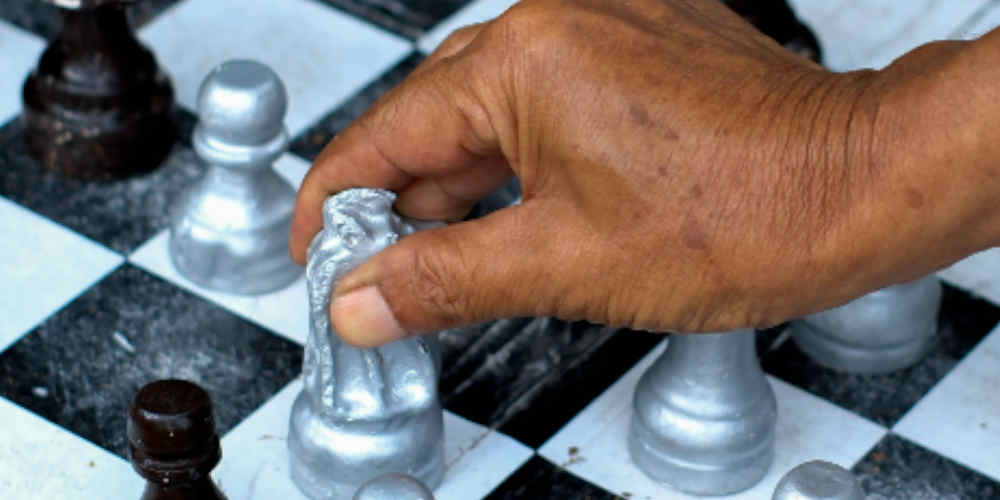
Chess is a complex game with an almost infinite number of moves. Let's take a deeper dive into how the mathematics of chess influences strategy, risk assessment, and enhances your decision-making abilities when your playing casino games.
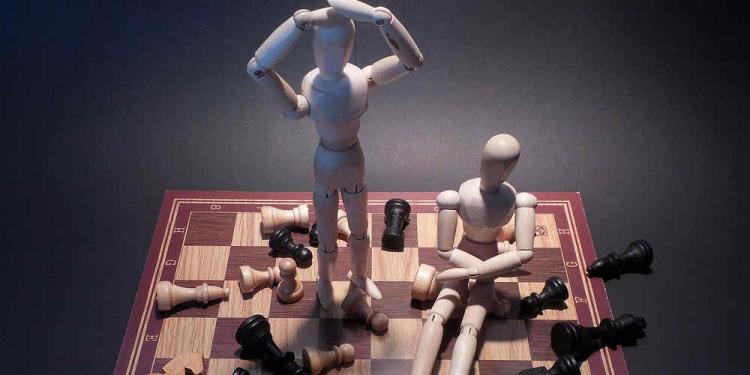
Image source: Pixabay
The Mathematics in Chess and Casino Games
We’ve always been fascinated by how much math hides behind simple things. Chess, for instance, looks calm and quiet. It’s just two people, sixty-four squares, thirty-two pieces. But dig a little deeper and you’ll find pure chaos made of numbers. The mathematics in Chess is wild, deep, unpredictable, and strangely beautiful. When you first realize how much counting and probability shape every move, it’ll remind you of casino games. The same kind of logic connects them with risk, reward, and timing. We’ve played both chess and online casino games for years, and they actually have a lot in common. But the question we want to explore today at Gamingzion is this: how can understanding the mathematics in Chess help us think smarter. Not just about chess. But also about gambling, decision-making, and even life?
64 Squares, Infinite Possibilities
Even though the chessboard has just 64 squares, there’s an almost infinite variety of moves for players to make. The mathematics in Chess starts as each square connects to others, creating a massive system that’ll never repeat itself. In fact, it’s said there are more possible chess games than atoms in the known universe, which is around 10⁸⁰ atoms versus roughly 10¹²⁰ possible games. Yes, we’ll be the first to admit that it’s a hard number to wrap your head around. Especially when comparing it with a roulette wheel. After all, this only has a mere 37 or 38 outcomes. Thanks to this huge range of options, chess never gets boring. After all, it’s a game where every move matters and every new position opens a door to millions of others. And that’s where both the beauty and madness of mathematics in Chess begin to show.
Counting the Legal Moves – The First Branch of Chaos
At the start of a game, each player has 20 legal moves, which sounds pretty manageable. But after a mere four moves each, the number of possible positions jumps to around 288 billion. That’s the branching effect that defines mathematics in Chess as each decision multiplies potential outcomes. This is similar to what happens at 22Bet Casino when you’re playing a multi-deck blackjack game. Every card adds new possibilities, new odds, and new risks. The same mental skills apply in that you weigh the odds, consider your options, and make a move whilst knowing it’s just one branch in a forest of possibilities. In both chess and gambling, small decisions made early on create massive differences later. So one good choice can snowball into victory, and yet, one bad one can send everything spiraling.
Mathematics in Chess – The Shannon Number
The mathematician Claude Shannon estimated the total possible chess games to be around 10¹²⁰, and as a result, this number is called the Shannon Number. Truthfully, it’s one of the wildest figures you’ll ever meet in logic or science. The mathematics in Chess gets cosmic here. To compare, the number of atoms in the observable universe is about 10⁸⁰. So even if you had a supercomputer checking every possible move since the Big Bang, it still wouldn’t finish calculating all possible games. In many ways, that’s both humbling and inspiring as it means no one will ever “solve” chess completely. There’s always mystery left. Just like how no one can predict exactly what will happen in a casino game as there’s a layer of unpredictability that math can describe but never control.
Combinatorics and Chess – The Math of Movement
Combinatorics, which is the study of combinations, explains a lot of what makes chess infinite. Each move combines with the next in countless patterns. The mathematics in Chess lives in these combinations. For example, a deck of cards can be arranged in 52! (52 factorial) ways, which is about 8×10⁶⁷ possible shuffles. Pretty big, right? But chess blows that number out of the water when you consider full game sequences. I once read that just the first 10 moves of chess create more unique games than there have ever been humans alive. When you realise that, it’ll hit you that every time you sit down to play, that you’re creating something that may never exist again. A special kind of math that feels alive.
Probability and the Mathematics in Chess
When it comes to probability in chess, this doesn’t mean luck. However it does shape how people play. In a similar manner to sports betting, the mathematics in Chess can help predict which moves are more likely to appear based on past games. For example, databases show that certain openings, like the Sicilian Defense, happen far more often than others. But there’s still unpredictability. Even grandmasters make mistakes about 1–2% of the time. Casual players? Much more. It’s a reminder that even in something as structured as chess, human error can suddenly make a huge difference to the game. In this respect, it’s not so different from casino gambling, knowing the odds doesn’t guarantee you a win. But it’ll keep you grounded and hopefully help to make better choices instead of relying on emotion or impulse.
Expected Value and Chess Decisions
When you first learn about “expected value” (EV) from poker, it’ll change the way you see chess. The mathematics in Chess works with EV all the time, even if we don’t call it that. Say you can sacrifice a knight for a strong attack, then you’re really weighing risk versus reward. It’s no different than deciding whether to hit or stand in blackjack. This means the expected outcome matters to you more than any single one of your moves. Top players constantly think this way. They evaluate every line of play based on long-term gain, not short-term panic. It’s a good idea to use the same mindset in your own online casino gambling. No matter whether you’re studying chess openings or checking odds at online casino news in the UK, always make a habit to stay logical. Also, stay away from any decisions based on your emotions.
Symmetry and Geometry – The Shape of the Game
The mathematics in Chess also lives in the board’s geometry. The layout is perfectly symmetrical. Every square has meaning based on its position and color. Openings like the Petroff Defense or the Four Knights Game are examples of mathematical balance. Both sides mirror each other, creating equal chances for both players. But as soon as one player breaks symmetry, the game becomes unpredictable. That’s the same principle behind even and odd bets in roulette. The moment you break from balance, risk increases. Chess teaches you to spot patterns and understand how small positional shifts change the entire equation.
Mathematics In Chess with Algorithms and Engines
Most of today’s serious players rely on chess engines like Stockfish or AlphaZero. They’re built on complex algorithms that evaluate millions of positions per second. Even as the mathematics in Chess become more digital, it’s still the same at its core. Meaning a game of logic and calculation. Engines use formulas to assign numerical values to positions, estimating which side is better. They’re like probability calculators in a casino, except they measure strategy instead of luck. We’ve often compared this to the algorithms behind casino software like those used on platforms like 22Bet Casino. You’ll see that both systems rely on math to ensure fairness and predict outcomes, as well as simulate human decision-making. The overlap is fascinating.
Elo Ratings – Chess’s Statistical Ranking System
Every chess player has an Elo rating which is a number that represents your performance relative to others. The mathematics in Chess extends here too. This formula shows how likely you’re to win based on your opponent’s score. Here’s the math: the expected score = 1 / (1 + 10^((R_opponent – R_player)/400)). So a 400-point gap means the higher-rated player is expected to win about 90% of the time. It probably reminds you of casino odds. Just like the house has a built-in edge, top chess players have a statistical advantage over weaker ones. Over time, the math always balances out. Luck can swing one game, but the numbers win in the long run.
Odds, Statistical Records and the Mathematics In Chess
The mathematics in Chess also shows up in win rates and records. Across millions of games, white wins about 55% of the time. Black wins 45%. Though it’s a small difference, it matters. In some ways, that tiny edge is like the casino’s house advantage, where a few percentage points add up over time to give an advantage. If you use it wisely, even a small edge can make a huge difference. So when you think about odds, think about the sheer number of chess openings, not just about gambling. Keep in mind that the numbers are always there, deciding the outcomes in the background.
Famous Examples of Mathematics in Chess
Some stories about mathematics in Chess are almost unbelievable. Claude Shannon’s calculations still blow my mind. Then there’s the “Knight’s Tour” puzzle, which comes with over 26 trillion possible paths that visit every square once. Deep Blue, IBM’s famous machine, analyzed around 200 million positions per second in its match against Garry Kasparov. That’s raw math power at work. If you tried to write down every possible chess game on paper, you’d run out of space even if you covered the entire planet. That’s an illustration of how big chess really is.
Chaos Theory and Human Mistakes
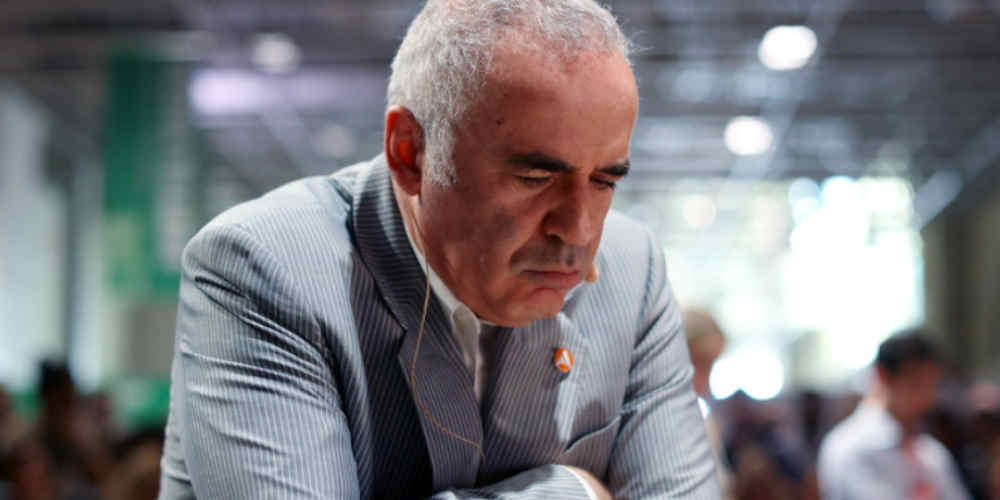
Even though chess looks controlled to the untrained eye, it’s actually full of chaos, with one tiny mistake flipping everything. The mathematics in Chess includes this kind of unpredictability too and will remind you of the butterfly effect. That one pawn moved too early, one oversight in defense, and the whole balance shifts in seconds. You’ll see the same thing in gambling when someone bets too much too soon. In many ways, both situations show that control is an illusion. Although math helps you understand what might happen, it doesn’t guarantee anything and that’s what makes both chess and gambling so thrilling.
Pattern Recognition – The Human Shortcut to Math
I’ve met chess players who don’t think in numbers but still understand the mathematics in Chess deeply. They recognize patterns, shapes, and rhythms on the board. Humans are built for pattern recognition. For example, grandmasters can remember thousands of positions because their brains group similar structures together. The truth is that they don’t count every move but rather, see familiar patterns. It’s the same for experienced gamblers. They notice trends without consciously calculating them. Over time, those instincts turn into a kind of practical math. You might not know the formula, but you feel the odds.
Comparing Mathematics in Chess to Casino Math
At Gamingzion, we like to think of mathematics in Chess as the logical cousin of casino math. Chess is deterministic in that there is no luck, no random cards, no dice. Everything follows from what came before. Casino math, on the other hand, is probabilistic. Luck plays its part. But both require the same mental tools. You study patterns, manage expectations, and think several steps ahead. You calculate risk, and you learn to stay calm when chance turns against you. It’s funny how lessons from a quiet board can help with noisy games of chance.
How Chess Thinking Improves Gambling Discipline
Studying mathematics in Chess will, hopefully, make you a better gambler. It’ll teach you patience, as in chess, rushing a move usually ends badly. The same is true for betting. We suggest that you plan your bankroll as you plan your moves. Think about probabilities, not emotions and remind yourself that losing one game, or one bet, doesn’t define anything. What matters is the long run. If more players treated gambling like a strategy game, with math, patience, and clear thinking, there’s a good chance they’d enjoy it more and lose less.
The Shared Psychology of Calculation and Control
Whether you’re analyzing the mathematics in Chess or studying slot machine odds, your brain is doing the same thing: searching for control. We crave patterns because they make us feel safe. But real control comes from discipline, not certainty. I’ve seen both chess players and gamblers crumble when emotions take over. Math acts as a steady hand. It doesn’t lie. It tells you what’s likely, not what you wish would happen. That’s why I think math is comforting. It’s neutral. It gives you perspective when luck feels unfair. Even reading online casino news, I notice how much emphasis there is now on promoting logical, responsible play.
Conclusion – The Infinite Game of Numbers
Chess is a game of infinite depth, built on simple math. The mathematics in Chess stretches beyond the board as it also teaches patience, risk management, and logical thinking. To be honest, these are all skills that can be useful in everything from business to gambling. When you think about all those possible games, you’ll realize just how small you are in the face of such complexity. But that’s also the joy of it. Remember that you don’t have to solve chess. Rather, just play, learn, and apply its lessons. So next time you open a new tab on 22Bet Casino or check online casino sites in the UK, try to think like a chess player.
platforms like 22Bet Casino


GAMBLING NEWS IN UNITED STATES


2026-10-22

2026-10-22

2026-10-22

2026-10-22

2026-10-21

2026-10-21
