6 Betting Lessons From F1 History: Traps You Shouldn’t Fall For
Posted: July 16, 2026
Updated: July 16, 2026
-
Knowing these will help your betting decisions
-
How to bet on F1 online?
-
6 betting lessons from F1 history
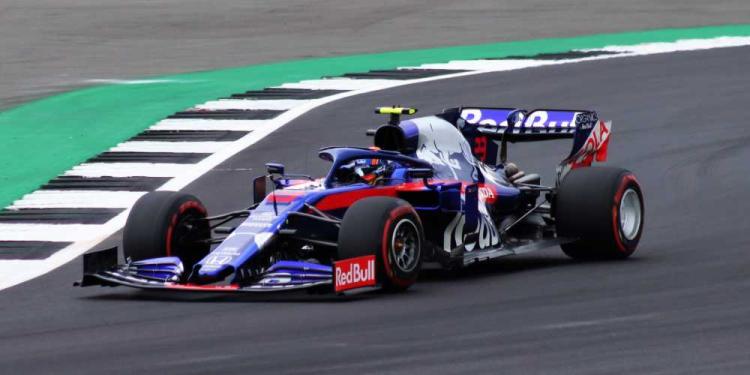
Discover 6 betting lessons from F1 history, from Hamilton’s earliest believer to Hülkenberg’s miracle podium. Learn why the car is king, why rookies deserve respect, and how drama and safety cars decide races. Smart, story-driven advice for anyone betting on Formula 1.
Formula 1 has always been a laboratory for risk takers. Every Grand Prix mixes engineering, ego, luck, and raw courage into one unpredictable show. Unsurprisingly, bettors have studied this chaos for decades, and the archives reward them. This article gathers 6 betting lessons from F1 history that still apply today.
From a fan who banked £165,000 on young Hamilton to Hülkenberg’s long-awaited podium, each story carries practical wisdom. Therefore, whether you follow rookies, safety cars, or paddock drama, these lessons will sharpen your judgment. Read on, take notes, and always wager responsibly. Register at any of the online sportsbook sites in the UK to bet with this advice!
6. Lewis Hamilton’s First Fan: 6 Betting Lessons From F1 History
Every bettor dreams of spotting a champion before the world does. One British fan actually pulled it off. According to Reddit, there was a Lewis Hamilton fan who saw potential in him. From that day, he decided to bet on every one of his races, and it got him a total of £165,000 back in 2008. Naturally, we should add a word of caution here. Blind loyalty can also drain a bankroll fast. For every Hamilton, dozens of hyped prospects fade into midfield obscurity. Thus, conviction must rest on evidence, not vibes.
Follow the data from karting upward, check how a driver handles pressure, and note who beats teammates in equal machinery. In short, this famous fan gave us a blueprint. Find talent early, verify it with results, and commit for the long haul. It sounds boring compared to wild weekend punts. Nevertheless, boring strategies built that £165,000, and boring strategies still work today. History rewards the people who believe in something before it becomes obvious. That is the whole trick, really. Register at Betway Sportsbook and bet on your favorite driver!
5. The True Gambling Element Is The Safety Car
This is the most relevant among the 6 betting lessons from F1 history. As a Leclerc fan, it stings to admit this, but the last Charles Leclerc victory was completely due to the safety car, and essentially luck. In speed, Antonelli would have won had his wheels not gone wreck. The fastest car can finish fifth because timing betrayed it. Meanwhile, a patient midfield runner inherits a podium from nowhere. Because of this, you should treat every race as two contests. The first contest rewards raw pace and clean execution. The second contest rewards positioning when chaos arrives.
Some drivers thrive in that second contest. They stay close enough to pounce, avoid trouble, and read restarts brilliantly. Others panic the moment the field bunches up. Street circuits amplify this effect enormously. Monaco, Singapore, and Baku practically guarantee interruptions. Walls sit inches from the racing line, so mistakes get punished instantly. Therefore, betting on those weekends means betting on chaos itself. Favorites become fragile, while opportunists become dangerous.
4. Don’t Underestimate Rookies: 6 Betting Lessons From F1 History
According to Stats F1, this is Antonelli’s first winning season, and he already won more 1st placements than many of the veterans on the current grid. Bearman, Antonelli, Leclerc, Verstappen, Hamilton, and so many others were at their peak during their early years. Why does this happen? Young drivers arrive fearless, hungry, and free of scar tissue. They have not yet learned what is supposedly impossible. Additionally, modern academies prepare them ruthlessly before they ever touch a Grand Prix car.
Simulator hours, junior titles, and data coaching have shortened the learning curve dramatically. A rookie today lands more prepared than a third-year driver did decades ago. Also, veteran drivers are used to their own success-era cars. New rules and car mechanics might not let them adapt as easily.
3. Engineering Excellence Will Not End Easily
This is true in all other 6 betting lessons from F1 history. If you’ve been watching F1 for the past few years, you probably asked at least once: How is Verstappen so good? In 2024 and 2025, he had winning streaks that made fortune for the bettors who kept betting on him. Then, let’s talk about 2025: McLaren kept dominating the grid without any outstanding driving skills compared to others. 2026? Kimi Antonelli and George Russell are dangerously dominant with brand new cars and rules, just because Mercedes is once more a few steps ahead.
When did we see this last time? Well, during the Hamilton 7x WDC era, and a season later, even Lance Stroll won with a car that copied them. If you understand engineering, then you see through the veil of illusion that is odds and news. Because in this sport, the car is king. Dominance, once established, rarely ends quickly either. Great cars evolve into great successors because knowledge compounds inside a team. Thus, when a squad like Mercedes finds the sweet spot, expect a long reign. History suggests these cycles run for years, not weeks.
2. Drama Matters: 6 Betting Lessons From F1 History
Formula 1 sells itself as a science, yet humans keep ruining the equations. According to Formula 1, there was one time when, under a safety car, George Russell erratically braked to force a penalty upon Verstappen for an aggressive overtake. Why did he do it? Because he wanted to teach him a lesson about doing the same thing. Thus, a bit of drama today can grow and turn into a childish move from a driver that can ruin your bet. Try to read personalities, and bet accordingly. Moreover, drama compounds over time. A small squabble in spring becomes a vendetta by autumn. Stewards get involved, penalties pile up, and drivers start racing the person rather than the clock.
Reading that escalation early gives you a genuine edge. The signs are usually public, hiding in interviews and radio messages. Listen for sarcasm, blame shifting, and pointed silence. Those little tells predict on-track madness surprisingly well. So treat the paddock like a soap opera with telemetry. Study the humans as carefully as you study the lap times. When two hotheads share a piece of asphalt, hedge accordingly. Alternatively, exploit the situation by backing the calm operators nearby. They inherit positions when rivals take each other out. Drama is annoying for fans but informative for bettors.
1. Hülkenberg’s Podium
And finally, the biggest from the 6 betting lessons from F1 history. Just last year, Nico Hülkenberg had an unexpected podium finish. The man who tried the best for 15 years and failed. If you placed a bet on his podium, your return value was incredible. His story is the perfect closing lesson because it ties everything together. First, it echoes the safety car lesson from earlier. Chaos created the opening, and Hülkenberg drove through it flawlessly. Rain, retirements, and strategy gambles scrambled the natural order. Second, it rewards the engineering watchers. His team had quietly improved for months before that weekend.
Sharp observers noticed the upward trend while casual fans ignored it. Because of stories like his, small speculative bets deserve a place in your strategy. Not reckless ones, mind you. The trick is choosing longshots with a plausible path to glory. Ask what specific chaos would elevate this driver. Mixed weather? A first-lap pile-up ahead? A track that suits his car’s one strength? If you can describe the scenario, the bet has logic behind it. Register at Betway Sportsbook to bet on the next GP!


