Religious Texts On Gambling – What Will Your Own Religion Say?
Posted: August 19, 2025
Updated: August 19, 2025
-
What religions say about gambling?
-
Can scholars even gamble?
-
Religious texts on gambling
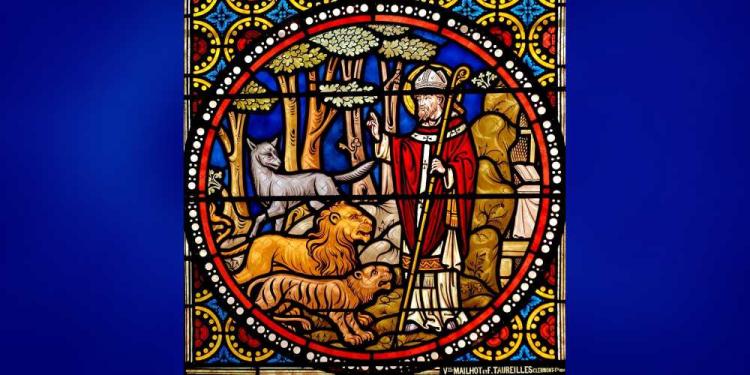
This article explores religious texts on gambling across faiths, from the Bible to Buddhism. Because each tradition offers unique insights, readers discover how morality and chance intertwine.
Click here to try the best odds at Zodiac Casino!
Religion has shaped human views on gambling for centuries. Many faiths interpret chance, fate, and fortune differently. Some condemn it outright, while others tolerate or even embrace it. These views often reflect deeper teachings about morality, greed, or destiny. Because gambling touches on desire and chance, it naturally attracts strong opinions. Therefore, studying religious texts on gambling provides insight into both belief systems and cultural history.
Therefore, these texts reveal humanity’s deep struggle with desire and fate. Because gambling touches morality, spirituality, and culture, every religion addresses it differently. Some forbid it as sinful, others regulate it, and a few embrace it. Studying these texts helps us understand how faith shapes views on chance and fortune. Register at any of the online casino sites in India to try platforms that promote responsible gambling!
Religious Texts On Gambling From The Bible
According to the JW, the following passages mention gambling in the Bible:
- Gambling is driven by greed, which God hates. – 1 Corinthians 6:9, 10; Ephesians 5:3, 5
- Gamblers hope to gain money through the losses of others, but the Bible condemns coveting other people’s possessions. – Exodus 20:17; Romans 7:7; 13:9, 10.
- Gambling, even for small amounts, can arouse a destructive love of money. – 1 Timothy 6:9, 10.
- Gamblers often rely on superstitions or luck. However, God views such beliefs as a form of idolatry, which is incompatible with his worship. – Isaiah 65:11.
- Rather than promote a desire to get something for nothing, the Bible encourages hard work. – Ecclesiastes 2:24; Ephesians 4:28
- Those who follow the Bible’s advice can “eat food they earn.” – 2 Thessalonians 3:10, 12.
- Gambling can arouse an unhealthy competitive spirit, which is disapproved in the Bible. – Galatians 5:26.
Christian interpretations vary, but the themes remain clear. Greed, coveting, superstition, and idleness clash with biblical values. Because of this, many Christians avoid gambling, seeing it as spiritually dangerous. Others permit it in moderation, provided it does not replace generosity or faith. Yet the warnings remain strong reminders of the potential moral hazards gambling can carry. If you are more of an atheist, nothing stops you, however. Register at Zodiac Casino and try the best games!
The Hindu View On Gambling
Hinduism has community-related religious texts on gambling. Gambling is mentioned in the Arthaśāstra of Kauṭilya, book 3: “Concerning Law”. Here, they are explaining how society should treat gamblers and gambling-related behavior. According to the Wisdom Library, gambling was a centralized and regulated activity under a “superintendent of gambling” (shah). The text mentions a fine of 12 panas for gambling outside a central location. The text concludes by stating that judges should show mercy to vulnerable individuals, such as the sick, the poor, and travelers, and must settle certain disputes involving women, minors, and ascetics even if a formal complaint isn’t filed. The Arthaśāstra also reveals compassion in legal matters. Judges were encouraged to show mercy to vulnerable individuals like the sick, poor, or travelers.
Even disputes involving women, minors, and ascetics could be settled without a formal complaint. Thus, Hindu law recognized that gambling often drew in the vulnerable, who needed protection. The focus was not only on control but also on fairness and humanity. Hindu mythology also contains stories involving gambling. The epic Mahābhārata offers one of the most famous accounts. Yudhishthira, the eldest of the Pandava brothers, lost his kingdom in a rigged dice game. This event triggered the great war of Kurukshetra.
Click here to try the best odds at Zodiac Casino!
Religious Texts On Gambling In The Quran
The Middle East is the most complex territory when it comes to gambling. Gambling in ancient Egypt was much different than gambling today. However, among these cultural heritages, we also have Islam put into the mix, and elevated into the most popular religion in general. This is why the Quran gives a straightforward and quick answer on its stance on gambling. Islamic scholars expand on this guidance. Many argue that gambling leads to broken families, dishonesty, and financial ruin. Because Islam emphasizes community well-being, gambling threatens both individual and social stability.
Therefore, the prohibition is not only moral but also practical. It aims to preserve harmony, justice, and compassion within society. However, Islamic law also addresses nuance. Some scholars differentiate between gambling and contests of skill, like sports. If a game involves fair competition without exploitation, it may be permitted. For example, traditional archery contests or horse races could involve prizes. Yet games of pure chance remain forbidden, since they rely solely on luck.
How Does The Shintō View Gambling?
Some of the religious texts on gambling do not reflect on how one should act. Rather, they are a part of a story. Shintō is one of the few religions that allow gambling. They believe that everything is a part of destiny, and gambling is one of the elements leading to destiny if it happens. Unlike the Bible or the Quran, Shintō texts do not issue moral bans. Instead, gambling fits within the larger concept of musubi, the binding force of creation. If gambling leads to fortune, it is destiny. If it leads to loss, that too is destiny.
Thus, Shintō does not focus on greed or sin but on acceptance of fate. However, Japanese society has often struggled with gambling’s effects. Authorities frequently banned it during certain eras, especially when it harmed communities. Yet despite restrictions, gambling survived through underground groups and festivals. This reflects Shintō’s influence: people did not see gambling as sinful, only risky. Because it was part of destiny, it could not truly disappear.
Click here to try the best odds at Zodiac Casino!
Buddhist Religious Texts On Gambling
According to the Red Zambhala Buddhism, in the 26. Parabha sutta, “The Discourse on Ruin”, the following conversation has taken place between a certain god and Buddha: “Aṭṭhamaṁ Bhagavā brūhi, kiṁ parābhavato mukhaṁ?” – “Itthidhutto, surādhutto, akkhadhutto ca yo naro,laddhaṁ laddhaṁ vināseti, taṁ parābhavato mukhaṁ.” This translates to:
- “Please tell us, Gracious One, what is the eighth cause of ruin?” (A certain God asking the Buddha)
To which he answered:
- “That man who is a womanizer, a drunkard, and a gambler, who destroys whatever is gained, that is a cause of ruination.” (The Buddha answered).
Therefore, Buddhist texts highlight their destructive influence. They warn that gambling drains wealth, fosters craving, and damages relationships. By placing it alongside other vices, Buddhism frames it as a path to suffering. The solution lies not in rigid prohibition but in cultivating mindfulness, detachment, and compassion. Because of this, Buddhism offers a balanced yet firm critique, encouraging spiritual growth over reckless desire.
Where To Try Gambling Games Online?
These were some of the most important religious texts on gambling. While there are many religions and views, even atheists can be interested in the Gods of Gambling without believing in them. Therefore, as long as you are not strictly following these texts, you can take responsibility. As long as it does not cause damage to anybody, it is still a harmless leisure activity. Cultural curiosity also draws people to gambling games. Some see them as a way to connect with history or tradition. The myths of the gods of gambling, the rituals of dice, or the symbolism of fortune all inspire fascination.
Therefore, trying games online can feel like exploring cultural heritage as well as entertainment. Yet it remains important to separate myth from practice. Religious texts often warn about the dangers. However, playing a few games online does not always violate spiritual life. Each person must weigh their beliefs, values, and responsibilities before engaging. Register at Zodiac Casino to try online games today!
Click here to try the best odds at Zodiac Casino!


GAMBLING NEWS IN UNITED STATES


2026-03-16

2026-03-16

2026-03-16

2026-03-16

2026-03-13

2026-03-13
