History and Aftermath of The Repeal of PASPA – Sportsbook Laws
Posted: September 24, 2025
Updated: September 24, 2025
-
About the Bradley Act
-
How did sports betting become legal in the US?
-
The US markets after the repeal of PASPA
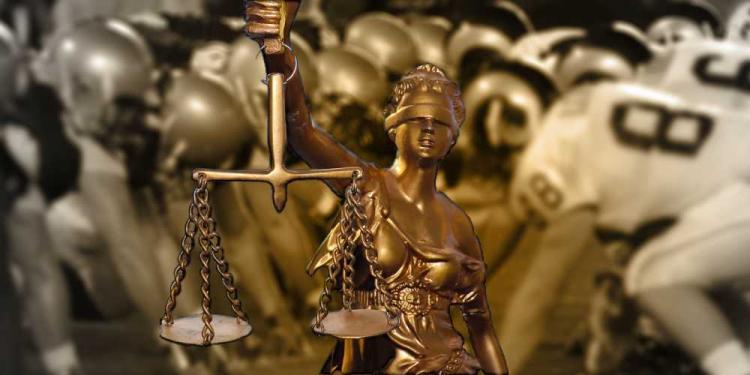
The repeal of PASPA reshaped American sports, law, and culture. Once a strict barrier, PASPA blocked states from legalizing sports betting. However, its repeal unleashed growth, opportunity, and controversy. This article explores its history, challenges, ruling, and impact on modern betting.
The repeal of PASPA marked a turning point in U.S. legal and cultural history. Because the law once restricted states from authorizing sports betting, it created decades of debate. However, its repeal in 2018 opened the doors to sweeping change. This article examines how the law began, how it fell, and how it reshaped sports and society. The road was not smooth. Sports leagues, politicians, and advocacy groups all entered the fray.
Because each group had different goals, the battles often dragged on for years. However, the shift that followed brought lasting effects to the culture of sports and entertainment. Thus, to understand modern sports betting, one must look closely at the law that tried to stop it, the challenges against it, and the decision that tore it down. Register at any of the online sportsbook sites in the US to bet on sports legally!
What Is It? – Repeal of PASPA
According to Proskauer, passed in 1992, the Professional and Amateur Sports Protection Act (PASPA) was a federal law aimed at stopping the spread of sports betting across the United States. The law explicitly made it illegal for states or their subdivisions to sponsor, operate, promote, or authorize any form of sports gambling. While it also prohibited private entities from running such schemes if they were authorized by a government entity, it’s a common misconception that PASPA made sports gambling a federal crime. Instead, the law gave the U.S. The Attorney General and sports organizations have the authority to file civil lawsuits to stop violations of the act. Over the years, critics grew louder.
They argued that PASPA stripped states of their rights. Because the Constitution limits federal power, many saw the act as federal overreach. Supporters countered with claims about protecting the integrity of sports. They feared betting scandals would ruin games and damage trust among fans. The law remained in effect for more than two decades. However, cracks began to form. States looked at Nevada’s booming industry and wondered why they could not join. Because tax revenues and jobs were on the line, pressure mounted. By the late 2000s, New Jersey took the lead in fighting PASPA head-on. Register at bet365 Sportsbook and bet on sports from the US!
Exemptions To The Bradley Act
The repeal of PASPA came later, but exemptions were needed. Still today, there are US states where gambling is legal, and there are states where it is not. The Bradley Act wasn’t different. While the Repeal of the PASPA came much later, it already made exemptions for different regions based on votes or general political profile. Supporters of the exemptions pointed to history. They claimed it was only natural to grandfather states that already had operations. Because gambling had become entrenched in Nevada, shutting it down would have been impossible. Still, other states viewed this as favoritism. Therefore, the exemptions created tension. On one hand, PASPA sought national uniformity.
On the other hand, it preserved special advantages for a few. This contradiction fueled the eventual constitutional debate. Because the Tenth Amendment protects state authority, opponents argued that the law unfairly interfered. Public attitudes also evolved. As states legalized casinos, lotteries, and other forms of wagering, the PASPA restrictions felt outdated. Thus, the exemptions seemed more like a blockade than a safeguard. By the 2010s, many states no longer accepted the imbalance. Pressure built until legal challenges became unavoidable.
The Legal Challenges Leading To The Repeal of PASPA
New Jersey became the primary state to challenge the law, arguing it was unconstitutional and violated the Tenth Amendment, which reserves powers not granted to the federal government to the states. Thus, many people expected the change in gambling laws to come, but it came much later. Following their campaign against the Bradley Act, New Jersey passed a state constitutional amendment in 2011 to allow sports gambling and a subsequent law in 2012. These were challenged by major sports leagues, including the NCAA and NBA.
Public opinion played a role as well. By this time, more Americans supported legalized betting. Because states sought new revenue sources after the financial crisis, the pressure grew. Therefore, the courts could not ignore the broader context. After years of wrangling, the case reached the nation’s highest court under the name Murphy v. NCAA. This was a confrontation between state power and federal law. Many legal scholars saw it as a turning point for American constitutional law.
The Ruling Out of The Bradley Act
During the repeal of PASPA, bureaucratic tensions were high, but the agreement was obvious. The case eventually reached the Supreme Court, styled as Murphy v. National Collegiate Athletic Association. In May 2018, the Supreme Court ruled in a 7-2 decision that parts of PASPA were unconstitutional because they “commandeered” power from the states. In a 6-3 decision, the entire law was deemed unconstitutional, leading to its repeal. According to Human Kinetics, Justice Samuel Alito ruled that PASPA violated the anti-commandeering principle of the U.S. The decision shocked some observers but thrilled many others. Supporters of repeal saw it as a victory for state rights.
Critics worried about the future of sports integrity. However, the ruling was clear: PASPA could no longer stand. The Court’s decision did more than free betting markets. It reinforced constitutional principles. Because it protected state sovereignty, the ruling had implications beyond gambling. Legal scholars quickly noted that it could influence other federal-state disputes. Therefore, the repeal was more than a sports story. It was a major constitutional event. By tearing down PASPA, the Court shifted the balance of power back to the states.
How Did The Repeal of PASPA Liberate Sportsbetting?
According to Fox Sports, the sports betting market is booming, and it feels like a nightmare for anybody who wants the Bradley Law to stay in the legal circulation of the States. However, it is a golden age for those who want to have legal sports betting. Fans now may place bets on their favorite sports, and organizations can benefit from betting partnerships. Furthermore, these partnerships offer extra funds to pay scholarships for young athletes. Critics warned about risks such as addiction and match-fixing.
However, supporters argued that regulation offered better protections than underground markets. Therefore, many saw legalization as safer than prohibition. Beyond economics, the repeal altered culture. Fans now viewed betting as part of the sports experience. Because of this normalization, sports entertainment gained new dimensions. Thus, the ruling influenced not just law but also lifestyle.
How To Bet On Sports From The US Online?
Now that you understand the history and aftermath of the Repeal of PASPA, let’s talk about your opportunities! You can still see some of the weirdest gambling laws around the world, but at least a government can not take away the democratic right of a country to vote. Online platforms transformed the market. They offer convenience, speed, and wide access. Fans can bet from their couches, offices, or even stadium seats. Therefore, the repeal made betting more personal and integrated than ever before. Operators compete fiercely. Because markets are open, companies invest heavily in technology and promotions.
Thus, fans receive more choices and innovations. Streaming, live updates, and interactive features keep growing. However, players must remain cautious. Responsible gambling tools are vital. Many platforms provide deposit limits and self-exclusion options. Therefore, awareness and restraint are key to sustainable enjoyment. Because PASPA’s repeal empowered states, the online industry will keep evolving. As more regions pass laws, access will expand further. Therefore, the digital age of sports betting has only begun. Register at bet365 Sportsbook and place a bet on any sports today!
Click here to try the best odds at bet365 Sportsbook!


GAMBLING NEWS IN UNITED STATES


2026-09-18

2026-09-18

2026-09-18

2026-09-18

2026-09-18

2026-09-17
