Everything You’ve Ever Wanted To Know About Sportswashing
Posted: May 4, 2026
Updated: May 4, 2026
Many governments believe that throwing tons of cash at a sport will take the public eye away from theior more shady activities. And they're not wrong. As a result, sportswashing is now common across many sports, more especially those with a large fan-base.
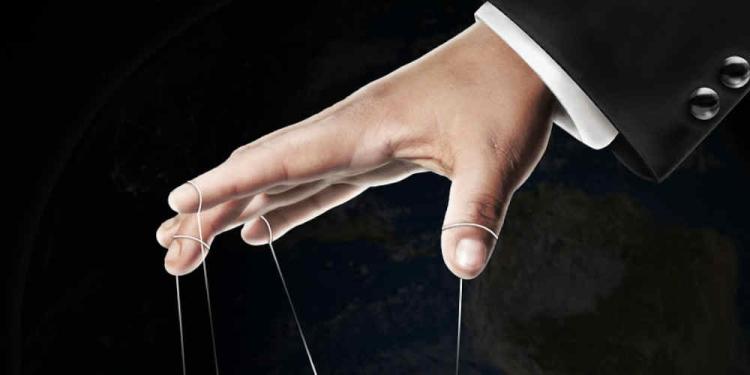
Image source: Pixabay
How Sportswashing Changes the Way We Cheer
Every sports fan has felt that rush when your team scores a last-minute winner. But lately, a lot of us are starting to feel a bit uneasy about who’s actually cutting the checks. This feeling has a name that’s popping up everywhere. We call it sportswashing. It’s basically when a government or a massive company uses the love we have for sports to cover up some pretty nasty stuff they’ve done elsewhere. Think of it like a giant, expensive coat of paint over a crumbling wall. The hope is that you only see the shiny colors, but forget the rot underneath. For those of us just getting started with a 22Bet Sportsbook account, it’s worth knowing who’s behind the curtain as the game is changing, and it isn’t always about what happens on the pitch.
The Long History of Sportswashing in Global Politics
Sportswashing isn’t a new trick by any means. If we look back at the 1936 Olympics in Berlin, we’ll see the blueprint for modern sportswashing in action. The Nazi regime back then wanted to show the world a perfect, disciplined society. They used the spectacle of the games to distract everyone from their violent policies. And it worked for a while too as people were so amazed by the stadiums and the organization that they looked the other way. It’s the same pattern repeated through the decades. In many ways, it’s a way to buy a seat at the table of “respectable” nations. By hosting a big party, you make it harder for people to criticize you. It’s a clever move and frankly, it’s a bit scary how well it works.
Why Soft Power Matters More Than Ever Today
You might wonder why a country would spend billions on a football club. It’s all about something called soft power. This is the ability to get what you want through attraction rather than force. Remember that when a nation owns a beloved team, they aren’t just buying players. They’re buying our affection as they want us to think of their country as a place of glitz, glamour, and winning trophies. This kind of sportswashing is incredibly effective because it’s so subtle. Fans start associating a regime with a star striker instead of a human rights report. However, it’s a slow process, yet over time, the bad headlines get buried under highlight reels. We’ve seen this play out in the latest online gambling news in the US as more international money flows in.
How Nation-States Became the New Team Owners
It used to be that teams were owned by local businessmen who loved the city, but now, we’re seeing sovereign wealth funds take over. These are basically giant bank accounts owned by entire countries. When a country buys a team like Manchester City or Newcastle, it’s a major case of sportswashing. Keep in mind, they have almost bottomless pockets and can easily outspend everyone else. Of course, this makes the fans happy because the team starts winning. But we have to ask ourselves what the real price is. Is a league title worth being a PR tool for an underhand government? It’s a tough question for any supporter who wants to win. But at the same time, you also want to feel good about our club. Today the lines are getting very blurry.
The Massive Impact of World Cups and Olympics
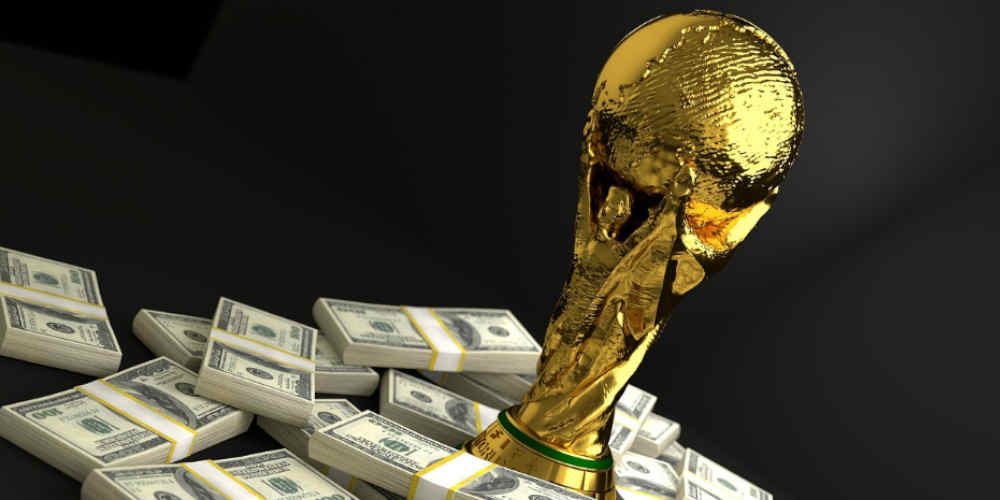
Hosting a World Cup is the ultimate dream for many nations. It puts you at the center of the world for a month. But it’s also a massive opportunity for sportswashing on a global scale. We saw this with Qatar in 2022 when they spent hundreds of billions of dollars to build a desert oasis for football. They wanted to show they were a modern, welcoming country. Yet the build-up was filled with stories about how badly they treated the workers who built those stadiums. It’s a classic example of using a beautiful event to hide an ugly reality. Though we watched the games, we couldn’t ignore the costs. In fact, this competition forced a lot of us to think about where our entertainment comes from and at what costs to those working behind the scenes.
Human Rights and the Hidden Cost of Sportswashing
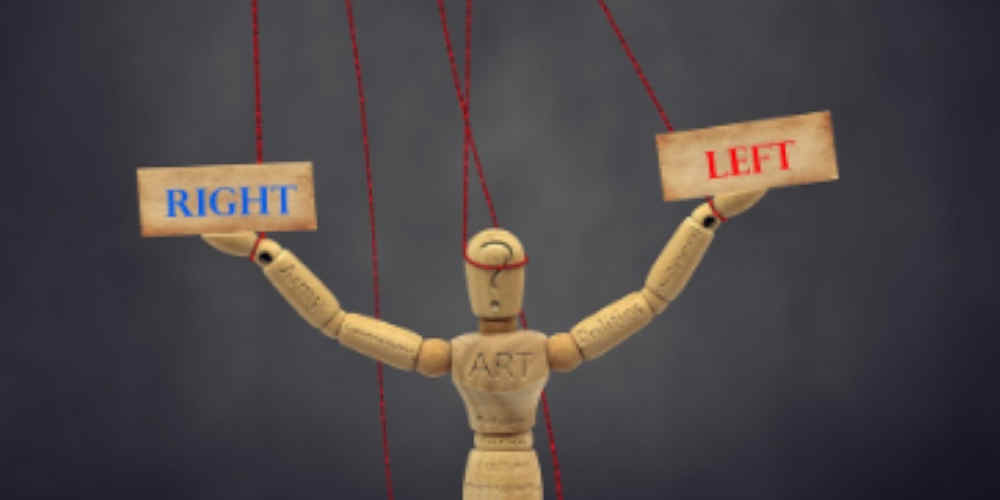
When we talk about these big deals, we shouldn’t ignore the people left behind. Often, the money used for sportswashing comes from places with very poor records on freedom. In fact, they might silence people who disagree with the government or treat certain groups like second-class citizens. By investing in sports, they’re buying silence from the international community. After all, it’s hard for a politician to criticize a country if that country is also providing jobs and entertainment through a major sports team. This creates a kind of shield, so you end up talking about the new stadium instead of the people in jail. It’s a distraction that works on a massive, international level and it’s something we should all be more aware of.
LIV Golf and the Disruption of Professional Sports
The world of golf got a massive shake-up recently. A new league called LIV Golf appeared, which was backed by huge amounts of Saudi money. Many people saw this as a clear-cut case of sportswashing as they offered golfers paychecks that were simply too big to turn down. It split the sport right down the middle with some fans being excited for something new. But others were disgusted by where the money came from. It showed that even traditional sports aren’t safe from political agendas and are not just about the game anymore. It’s about who owns the narrative. When you have that much cash, you can buy an awful lot of influence very quickly.
The Ethical Dilemma for Modern Sports Fans
So, what do we do as fans? Well, to be honest, it’s a messy situation. Of course, we all love our teams. But we don’t necessarily love their owners. This is the heart of the sportswashing problem because it puts us in a position where we feel like we’re betraying our values just by cheering for a goal. Some people say we should separate sports from politics. But when the owners are politicians, that’s impossible, and we’re part of the machine whether we like it or not. So it’s okay to feel conflicted. In fact, it’s probably the most honest way to feel right now. You have to keep your eyes open even when you’re enjoying the game as it’s the only way to stay grounded.
Why Online Sportsbook Sites in the US Are Watching
The betting world is also feeling the ripples of these big shifts. As you look at online sportsbook sites in the US, you’ll see more and more leagues being falling under the influence of global money. It changes how you view the integrity of the games. If a state owns a team, do they have an unfair advantage? Does their influence reach into the officiating or the scheduling? These are the kinds of worries that keep bettors up at night. In all sports, we want a fair fight. If sportswashing tilts the scales, the whole system starts to feel rigged. On a betting level, it’s important for us to stick to platforms we trust. Like when we use our 22Bet Sportsbook account for a weekend parlay.
Formula 1 and the Glamour of High-Speed Sportswashing
Formula 1 has always been about fast cars and luxury. That makes it the perfect vehicle for sportswashing and today you’ll see more races happening in countries with questionable records every year. The glitz of the paddock and the roar of the engines make for great TV and it paints a picture of a country that’s high-tech and forward-thinking. But often, just a few miles from the track, the reality is very different. This can sometimes put drivers in a tough spot. On the one hand, they want to race. But on the other hand, they don’t want to be posters for a regime. It’s a high-speed balancing act that rarely ends well for everyone involved, with the glamour being the mask.
The Media’s Role in Spreading the Narrative
We rely on the news to tell us what’s happening. But sometimes, the media, which is owned by the wealthy, gets caught up in the hype too. So when a big state-owned club wins, the headlines are all about the glory. This helps the sportswashing process move along smoothly as it’s much easier to write about a trophy parade than it is to investigate complex international funding. Some journalists do a great job of calling it out. But they often lose access if they’re too critical. This creates a cycle where only the positive stories get through. This means you need to be smart consumers of news. You need to look past the shiny trophies and ask the hard questions yourselves.
Can We Ever Truly Separate Sport and State?
The truth is, sports and politics have been roommates for a long time and they’ve always influenced each other. But the level of sportswashing we see today is on a whole different level. It’s not just a flag at a game anymore, but rather the entire infrastructure of the sport being for sale. It feels like the soul of the game is on offer in exchange for a bit of PR. We might wish for a time when it was just about the athletes. But, sorry to say, those days are likely gone. The stakes are too high now and money talks. In the world of global sports, it speaks with a very loud, very specific voice.
Corporate Sportswashing and the Green Narrative
It’s not just countries doing this but big companies are getting in on the act too. We see fossil fuel giants sponsoring cycling teams or marathons to look “green.” This is just another form of sportswashing because they want you to think of them as healthy and environmentally friendly. If they can put their logo on a bicycle, maybe you’ll forget about the oil spills and pollution. It’s a clever way to change their brand image without actually changing their business practices. We see it in almost every sport now and it’s become a constant battle for our attention and our approval. Honestly, they’re winning because they have the budget to keep their false narrative in front of us.
The Pressure on Athletes to Take a Stand
Athletes are in a really weird spot these days as they earn millions, but they’re also expected to be moral leaders. When their team is a tool for sportswashing, they might get asked the tough questions. It’s not fair to put it all on them, but, let’s face it, they have the biggest platforms. Some choose to speak out, and often face a lot of heat for it. Others stay quiet and just play the game. You can’t really blame them for wanting to do their jobs. But their silence is also a part of the plan. Yes, it’s a difficult choice to make, do you take the generational wealth, or do you stand up for what’s right?
How Fans Are Starting to Fight Back
Luckily, you aren’t totally powerless in all of this. We’ve seen that fans are starting to organize and protest against the worst cases of sportswashing. Now we can see banners in the stands and boycotts of certain events. It shows that we aren’t just mindless consumers but actually care about the identity of our teams. When you speak up, it makes it harder for the “washing” to work as the whole point of the strategy is to gain our approval. However, if we refuse to give it, the investment doesn’t pay off as well. It’s a small way to reclaim the sports we love. Keep in mind that though we might not have billions of dollars, we still have our voices and our choices.
The Long-Term Impact on the Integrity of Competition
If this trend continues, what does the future look like? Well, you could end up with a world where only a few state-owned teams can ever win. This would ruin the “any given Sunday” magic of sports. When money from sportswashing creates such a massive gap, the competition suffers and it becomes a league of who has the biggest national treasury. That’s not why we started watching in the first place. We want to see hard work and talent rewarded, not just the biggest bank account. We have to hope that leagues will find a way to regulate this before the game becomes unrecognizable. It’s a race against time, honestly.
Conclusion: Staying Aware in a World of Sportswashing
So, where does that leave us? Of course, we still love the games and still want to cheer and place our bets safely and enjoy the drama. But you have to do it with our eyes open. Understanding sportswashing doesn’t mean you have to stop watching. It just means you shouldn’t be fooled by the spectacle. We can enjoy the skill of the players while still being critical of the owners. In truth, it’s about being an informed fan. On another point, you need to remember that sports belong to you, the people who watch and play them. No matter how much money is pours in, the heart of the game is still yours to protect. Let’s keep it that way.
Click here to bet on various modern markets at the 22BET Sportsbook


GAMBLING NEWS IN UNITED STATES


2026-09-16

2026-09-16

2026-09-16

2026-09-15

2026-09-15

2026-09-14
