Gambling In Different Ancient Civilizations – How Did It All Begin?
Posted: June 30, 2025
Updated: June 30, 2025
-
How did gambling start from the beginning?
-
Different forms of gambling in history
-
Gambling in different ancient civilizations
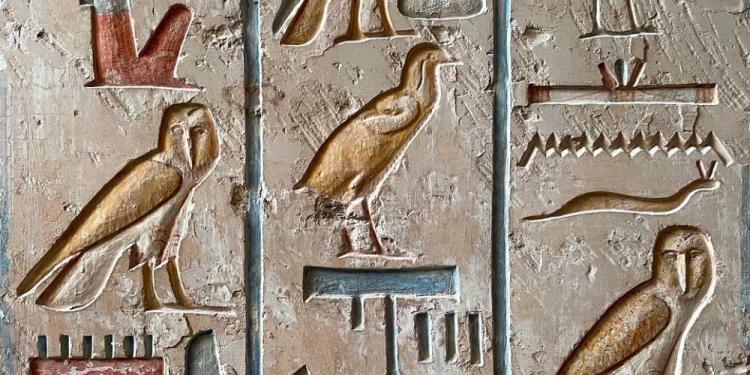
Curious how games of chance shaped ancient history? Explore the deep roots of gambling in different ancient civilizations, where dice, divine fate, and wild wagers ruled empires.
Register at BitCasino.io and play the best games today!
Gambling in different ancient civilizations wasn’t a side hobby, it was a core tradition. From sacred rituals to high-stakes wagers, gambling played a powerful role across time. Ancient peoples rolled dice not just for fun, but for honor, survival, and meaning. This isn’t just about games. Because it’s about culture, spirit, and the timeless chase for fortune. From spiritual rituals to strategic games, cultures across the globe embraced the chance to test fate.
They didn’t call it poker night, but the thrill remained the same. Each civilization added its flavor. Each one bet with different stakes. Therefore, to understand the evolution of gambling, we must go back. Register at any of the online casino sites in India to play modern games today!
Aztec – Gambling In Different Ancient Civilizations
Gambling in Aztec culture was highly spiritual. The game transformed from a way of fortune telling. One popular game was Patolli. Players used black beans marked with holes. They tossed them like dice. The game board resembled a cross, and players moved tokens along its spaces. However, this wasn’t only a friendly match. People wagered goods, clothes, and even freedom. Slavery could result from a bad losing streak.
Because patolli was sacred, priests sometimes oversaw the matches. They didn’t referee for fairness, they watched for the divine will. Sometimes, gamblers played before major festivals. They believed the gods’ favor might be revealed through games. This added pressure to every move. Register at BitCasino.IO for the most modern gambling experience!
Mesopotamia Gambling Habits
This is where gambling in different ancient civilizations started. According to a Study, Mesopotamia had dice made out of sheep bone. They weren’t just for decoration. These early dice tell the story of one of the first gambling cultures in history. Therefore, when we trace gambling’s roots, Mesopotamia deserves a top spot. Mesopotamians didn’t just play games, they invented many. Their cities bustled with activity. In temples, marketplaces, and homes, people played games of luck and chance. However, these games weren’t always light-hearted. Sometimes, they carried heavy consequences. Cuneiform tablets mention betting during celebrations. During festivals, dice games attracted crowds.
People bet on outcomes, cheered players, and sometimes cried at losses. Thus, gambling became part of the social experience. It wasn’t private, it was a public theater. Archaeologists have discovered gaming boards in royal tombs. The Royal Game of Ur is one of the oldest board games ever found. The game mixed luck and strategy. Players moved pieces based on dice rolls. Because of its popularity, replicas spread across regions. Everyone, from kings to workers, rolled the same dice.
Register at BitCasino.io and play the best games today!
The Minoans – Gambling In Different Ancient Civilizations
Gambling in Ancient Greece was loved but also forbidden. However, before Greece rose, the Minoans played first. Their civilization, centered on Crete, was lively and advanced. Art, music, and games thrived. And yes, gambling had its place. Archaeological findings reveal dice, board games, and possible betting tools. Minoan art shows scenes of play. While not all games involved gambling, some surely did. Because of their trade networks, the Minoans encountered other cultures. With contact came new games and betting habits.
Knossos, the grand palace, may have hosted elite games. Nobles gambled in luxury. However, commoners also played. In courtyards and taverns, locals rolled bones and cast lots. Thus, gambling united classes in shared excitement. However, keep in mind that during this time, the Greeks had plenty of entertainment to not need systematic gambling.
Indus Valley And Its Gambling Philosophy
According to the Harappa, Indus Valley civilizations had gambling. This is evidenced by archeological findings of dice. Because the Indus Valley thrived along rivers and trade routes. Cities like Mohenjo-Daro and Harappa buzzed with life. People farmed, built, and played. Among their leisure activities, gambling stood firm. Dice featured prominently in homes. Their uniformity suggests mass production. Therefore, games weren’t rare or elite, they were common and accessible.
Everyone played. From farmers to merchants, dice games offered escape, competition, and reward. However, gambling wasn’t mindless. Ancient Indian texts later referred to gambling houses. Though written after the Indus Valley’s fall, they might reflect older traditions. These texts warned of gambling’s dangers. The popularity of gambling in different ancient civilizations changed with philosophy. For example, Buddhism decreased the desire to gamble.
Register at BitCasino.io and play the best games today!
China – Gambling In Different Ancient Civilizations
According to the CGTN, their first game was Liubo. The Chinese viewed luck as part of cosmic balance. Heaven and earth are aligned through rituals. Gambling reflected this belief. Therefore, a game wasn’t just about winning. It was about harmony, chance, and fate. Later, games like pai gow and mahjong were developed. These required quick thinking and risk-taking. They encouraged community play. People gathered in homes and teahouses.
They bet modestly or wildly. Thus, gambling became a part of everyday life. Interestingly, gambling also supported infrastructure. Some dynasties taxed gambling houses. They used revenue for public projects. This made gambling both popular and profitable. However, abuse existed. The government occasionally banned games during moral crackdowns. Of course, we also know all about the Chinese Great Wall, and how it was funded by local lottery.
Egypt
Finally, gambling in different ancient civilizations is perfectly reflected in the history of Egypt. This land of pyramids and pharaohs didn’t just build wonders. I played games. And it gambled. Therefore, Egypt becomes essential to our exploration. The ancient gambling roots of Africa may be traced all the way to Egypt. Therefore, this land of pyramids and pharaohs didn’t just build wonders. I played games. And it gambled. Therefore, Egypt becomes essential to our exploration. Senet was the most famous game. Carved into stone and painted on tomb walls, it captured the imagination. The game symbolized a soul’s journey through the afterlife. Players used sticks or dice to move pieces. Luck and strategy both mattered.
Because of its symbolism, Senet wasn’t only a pastime. It was spiritual. Winning could mean safe passage in the afterlife. Losing? Uncertainty. Therefore, stakes went beyond gold or grain. The soul itself was on the line. Still, gambling for earthly stakes existed. Markets bustled with players and wagers. Dice games entertained crowds. Betting on sport-like activities also occurred. Chariot races and contests drew wagers. Winners gained status. Losers walked away lighter. Register at BitCasino.IO to find modern games online!
Register at BitCasino.io and play the best games today!


GAMBLING NEWS IN UNITED STATES


2026-09-21

2026-09-21

2026-09-21

2026-09-21

2026-09-18

2026-09-18
