Decades Of Gambling: During The 20s: When Reno Was The Spot
Posted: September 25, 2026
Updated: September 25, 2026
-
An entirely different world from today
-
What was it like to gamble in 1920?
-
Gambling during the 20s
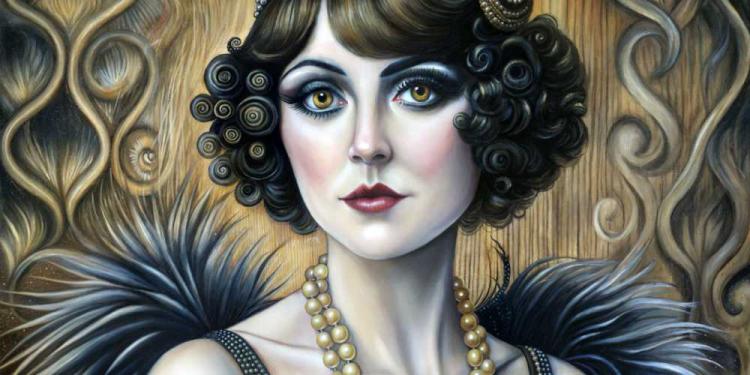
Jazz, bootleg gin, and backroom dice defined an unforgettable decade. Join us as we explore gambling during the 20s. We’ll visit Harlem numbers runners, British bookies, and Reno’s smoky card rooms.
Picture a dim basement somewhere in Chicago. A trumpet wails behind a velvet curtain. Meanwhile, someone rolls dice against a brick wall and shouts for luck. Honestly, few decades wear their vices as proudly as this one. Gambling during the 20s thrived in places the law couldn’t reach. Bans didn’t stop people, since they only pushed the action into new corners. So, how did Americans and Brits keep playing?
Some slipped into speakeasies, while others chased horses at the track. Working folks bet pennies on the numbers every single morning. Out West, a small Nevada city quietly laid the groundwork for Vegas. In this article, we’ll wander through each corner of that restless era. Grab a drink, metaphorically speaking, and let’s roll. Register at any of the online casino sites in the US to try some of the best games!
Gambling Goes Underground In America During The 20s
On January 17, 1920, national Prohibition took effect across the United States. Liquor vanished from legal shelves overnight. However, America’s thirst for fun didn’t vanish with it. According to The Mob Museum’s Prohibition section, the underground market took over the gambling industry in 1920. Organized crime spotted the opportunity fast. Bootleggers already controlled trucks, warehouses, and plenty of friendly police officers. Adding gambling to that network took almost no effort.
In New York, Arnold Rothstein became the decade’s most famous gambling kingpin. Many historians link him to the fixed 1919 World Series. Rothstein financed bootlegging, ran floating card games, and backed younger mobsters. Figures like Meyer Lansky and Lucky Luciano learned the trade under him. Meanwhile, Al Capone’s outfit ran gambling dens across Chicago and Cook County. Those joints earned steady cash whenever liquor shipments hit trouble.
Corruption kept the whole machine humming along. Police captains often took weekly payments to look the other way. Politicians, in turn, relied on mob money during election campaigns. Because everyone profited, raids happened rarely and mostly for show. Honestly, it resembles a stage play where every actor knows the script. Looking back, this shift changed American gambling for decades. Criminal groups gained money, skills, and connections they kept after Prohibition. Later, those same people would help build the first great Las Vegas casinos. Strangely, the modern industry grew up in 1920s basements. Register at Ignition Casino to play old-school slots!
The Numbers Game: Gambling For The Masses
Not every gambler during the 20s wore a silk tie. Most folks couldn’t afford a seat at a high-stakes poker table. Instead, they turned to the numbers game, also called policy. Back then, playing these historic games felt funny. The rules couldn’t have been simpler. Players picked a three-digit number, anywhere from 000 to 999. Next, they handed a small bet to a local runner. Some people wagered a single penny, while others risked a whole dime. Each day, organizers drew the winning number from a public source.
Early games used figures from bank clearinghouse reports. Later, operators switched to racetrack totals printed in the newspaper. Since anyone could check the paper, players trusted the result. Still, we think the numbers game captured the decade’s playful spirit perfectly. It gave working people a daily moment of hope and laughter. Honestly, it worked a bit like today’s state lotteries, just with more gossip. Many modern lottery formats actually borrowed ideas straight from policy. In that sense, those penny bets never really disappeared at all.
Horse Racing Keeps Betting Above Ground During The 20s
While dice rattled in basements, horse racing stayed out in the sunshine. Racetracks offered one of the few legal ways to bet during Prohibition. Therefore, the sport attracted everyone from factory hands to bankers.
In the United States, pari-mutuel betting rescued many struggling tracks. Under this system, bettors wagered against each other, not against the house. The track simply took a cut from the pool. Kentucky had embraced pari-mutuel machines years earlier, and other states followed. Maryland and Illinois tracks also drew huge crowds during the decade. Meanwhile, the Kentucky Derby grew into a national spectacle. Radio broadcasts in the mid-1920s carried the race into living rooms nationwide. Suddenly, a farmer in Ohio could cheer for a horse he’d never see.
According to the UK Parliament, in 1927, there were more than 15,000 registered bookmakers. Why so many registrations, though? In 1926, Chancellor Winston Churchill introduced a brand new betting duty. This tax forced bookmakers to register and pay for certificates. Churchill hoped to raise millions for a Treasury drained by war debts. Unfortunately for him, the tax flopped badly. Bookmakers protested, some went on strike, and revenue fell short. As a result, the government scrapped the duty in 1929.
Gambling Technology Before The Casino Revolution
During the 20s, things were very different. Today’s slot machines hum with screens, lights, and computer chips. However, gambling tech in the 1920s looked wildly different. Almost everything ran on springs, gears, and good old elbow grease. Thus, gambling in the Victorian era was heavily about non-electric devices. The 1920s inherited this Victorian toolbox almost completely. Companies like Mills Novelty improved Fey’s design but kept its mechanical heart. In fact, many collectors call these years the golden age of mechanical slots.
Because gambling laws grew stricter, manufacturers got creative. Some machines dispensed chewing gum or candy to disguise their real purpose. That trick explains the cherries, plums, and lemons we still see today. Fruit icons stood for gum flavors. Even the famous BAR symbol came from the Bell-Fruit Gum logo. Cabinet design mattered a great deal as well. Makers used heavy cast iron, polished wood, and ornate decorations. A good machine looked like furniture, not a cheap toy. Honestly, some of these beauties now sell for small fortunes at auctions.
Reno: America’s Gambling Capital During The 20s
Long before Las Vegas grabbed the spotlight, Reno wore the gambling crown. According to the Nevada Resort Association, Reno became Nevada’s gambling capital during the 1920s. Nevada banned most gambling in 1910 after a reform wave. Lawmakers later loosened rules slightly for certain social card games. Still, roulette, craps, and big-money games stayed off the books. Did Reno care? Not much.
Instead, the city simply looked the other way. E.E. Roberts, elected mayor in 1923, openly favored a wide-open town. He reportedly believed laws couldn’t change people’s appetites. Clubs like the Bank Club and the Palace Club thrived downtown. Visitors found roulette wheels and card tables sitting in plain sight. Local police rarely bothered them, since City Hall backed the clubs. James McKay and Bill Graham ran the Bank Club with serious clout.
Then the Great Depression hit Nevada’s mining and ranching economy hard. Lawmakers needed revenue, and the underground casinos already existed anyway. So, in 1931, Governor Fred Balzar signed a bill legalizing wide-open gambling. Reno’s operators stepped out of the shadows almost overnight. By then, they had spent a decade learning how to run a casino. Vegas grabbed the neon, but Reno wrote the rulebook first. Its 1920s clubs proved that a town could build an economy around gambling. Later, Harold’s Club and other famous Reno venues carried that legacy forward. Next time someone mentions Nevada gaming, remember the little city that started it.
The 20s End, But The Modern Casino Begins.
And during the 20s, people witnessed electricity taking over slowly. In October 1929, the stock market crashed spectacularly. Overnight, the party mood of the Roaring Twenties evaporated. Fortunes vanished, banks failed, and millions of Americans lost their jobs. Yet gambling didn’t fade away with the good times. If anything, desperate people now craved a lucky break more than ever. Nevada made the first bold move in 1931. Legal gambling turned Reno’s underground clubs into legitimate businesses. Two years later, the country repealed Prohibition. Suddenly, bootleggers lost their main source of income. Therefore, many mobsters shifted their money and energy toward gambling instead.
The US Gambling History has taken a sharp turn with modern solutions, but it formed what we have today. Speakeasies taught operators how to create exciting, exclusive atmospheres. The numbers game paved the way for modern state lotteries. Horse racing proved that regulated betting could raise public money. Reno showed lawmakers that a whole city could thrive on gaming. Even the fruit symbols on your phone trace back to 1920s gum machines. Register at Ignition Casino to try the most modern games today!
Click here to stay tuned with Ignition Casino!


GAMBLING NEWS IN UNITED STATES


2026-09-25

2026-09-25

2026-09-25

2026-09-24

2026-09-24

2026-09-24
