Gambling Tax Guide: Can You Write Off Gambling Losses?
Posted: July 21, 2025
Updated: July 21, 2025
-
Can You Write Off Gambling Losses in 2025?
-
Rules of tax on gambling
-
Winning or losing - put it down!

Walking into a casino or placing a bet on a sports game is always an adventure. Some people love the rush of a spinning roulette wheel, while others enjoy scratching off lottery tickets or playing online poker. But whether you win or lose, one big question comes up when tax season rolls around: Can you write off gambling losses? This is a common question for gamblers new and experienced, and the answer is more complicated than many people think. This simple guide will help you understand when and how you may be able to write off your gambling losses, what records you need to keep, and what the rules mean for you.
Are Gambling Winnings Taxable?
To understand the rules about gambling losses, you first need to know what counts as gambling in the eyes of the tax authorities. Gambling is not just casinos. When you bet money or something valuable on an event with an unknown result, hoping to win more money back, that is gambling. This includes not just online casinos in the USA and poker tables, but scratch cards, sports betting, raffles, bingo, horse racing, lottery tickets, and even games played online. So, if you lose money on any of these bets, you might wonder: Can you write off gambling losses for any of them? The answer is yes—they all count, but the rules are important to follow.
Many people are surprised to learn that any money you win from gambling is considered taxable income by the IRS. That means, whether you’ve won $20 from a football pool at work or hit a jackpot at the casino for thousands of dollars, you are expected to report these winnings on your tax return. Unless you are leaving in the tax-free gambling country, the government sees those winnings the same way it sees money you make from working a job. But what about the money you lose? Keep reading to discover the details.
Can You Write Off Gambling Losses in 2025?
If you’ve spent any time at a casino or placing bets, you know that luck doesn’t always go your way. You probably lost some money along the way, just like most gamblers do. The good news is that in many cases, the answer to “can you write off gambling losses” is yes — you can. But there are important limits and steps you need to understand.
The IRS lets you subtract your gambling losses from your gambling winnings, but only if you report all your winnings and only up to the amount that you won. For example, imagine you won $500 at a casino during the year, but you also lost $1,200 over several visits. The rules say you can only write off gambling losses up to how much you won. In this case, you could subtract $500 in losses if you report the $500 you won, but you cannot subtract the rest of your losses. If your losses are more than your winnings, you cannot use the extra losses to lower your other income or get a bigger refund.

What Do You Need to Write Off Gambling Losses?
Can you write off gambling losses without keeping careful records? The answer is no. If you want to claim your gambling losses on your tax return, you must have good proof of your play and how much money you won and lost. The IRS asks you to keep a diary or notebook, showing not only when you went gambling, but also where, with whom, what games or bets you played, and how much you won or lost. If you play slots or table games at a casino, things like receipts, statements from the casino’s player program, and bank slips can help you back up your claim. If you bet online, the records in your online account are helpful too. Without this proof, it will be hard to show the IRS you had losses. If they audit your taxes and you have no records, you may have to pay more taxes.
Where On Your Taxes Do You Report Gambling Losses?
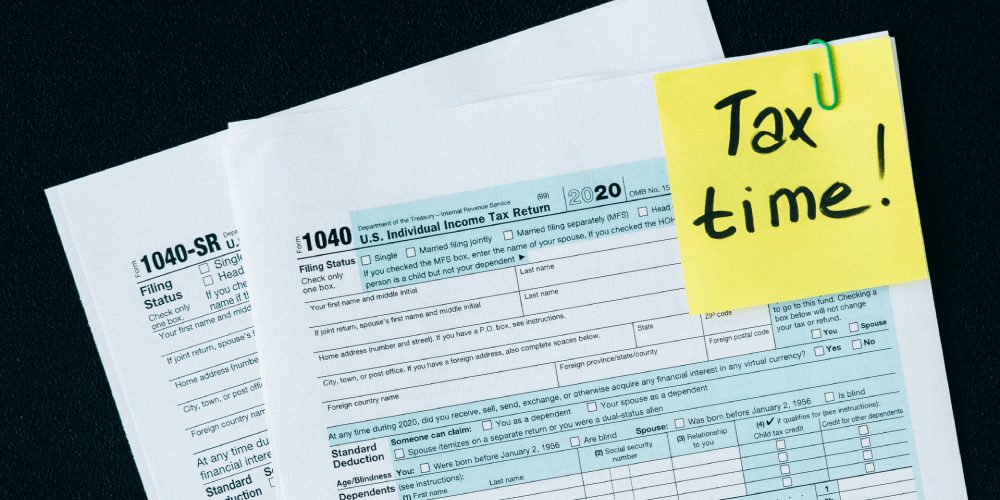
Once you have your records, where do you report gambling losses on your tax return? This is one of the most important parts of answering “can you write off gambling losses.” All gambling winnings must be reported as “other income” on line 8 of the standard IRS Form 1040. Your total gambling losses, up to the amount of your reported winnings, are then reported as a deduction on Schedule A (“itemized deductions”). This deduction does not reduce your regular income, only your gambling income.
But here is a tricky part: you can only write off gambling losses if you itemize your deductions. That means you choose to list your deductions one by one rather than just taking the standard deduction. Since most people now use the higher standard deduction instead (because of tax law changes a few years ago), only gamblers with lots of losses or other deductions may benefit from writing them off. Check out Essential Tips For Lottery Income Taxes On US Winnings as well to always stay on the safe side.
State Rules and Differences
Federal rules are just one side of the gambling tax question. Each state has its own rules for taxing gambling winnings and allowing write-offs of gambling losses. Most states follow the federal rules, but a few don’t allow deductions at all, even if you itemize your deductions on your state tax return. For instance, states like Illinois and Wisconsin follow the federal rules, but a handful, like Massachusetts, do not let you write off losses. In some cases, you pay state taxes on the full amount of your winnings even if you lost more over the year. If you gamble in more than one state, or do a lot of online betting, you’ll want to check your state’s tax department website, or talk to a local tax expert who knows the gambling rules in your area. Visiting Everygame Casino, make sure you read T&C section before starting to gamble.

Differences Between Regular and Professional Gambling
For most people, gambling is entertainment—a now-and-then hobby, not a full-time job. But some people are “professional gamblers.” This is rare, but if gambling is your main source of income and you put in many hours and keep business-like records, the IRS may treat you as a professional. In that case, you can report gambling winnings and losses on a different form (Schedule C, for self-employed income). You may also be able to deduct expenses like travel, meals, and entry fees. However, even as a professional gambler, you cannot use gambling losses to make your income negative—in other words, you cannot use extra losses to lower other income, pay less tax overall, or get a bigger refund just because you lost a lot of money gambling. The same basic rule applies: you can only write off gambling losses up to the total winnings you report.
Myths and Mistakes
A lot of people believe myths about taxes and gambling. For example, some think the casino will handle the taxes for them, and if they don’t get a tax form from the casino, they don’t have to report winnings. Actually, the IRS wants you to report all your winnings, no matter the size, and whether or not you get a special tax form. Others believe they can subtract all gambling losses from any kind of income. This is not true. Yet another myth is that if you play “just for fun” or don’t win often, the rules don’t apply. They do. A more dangerous mistake is trying to guess or make up the numbers without keeping records. If the IRS asks for proof and you have no diary or receipts, you can get into trouble and may owe extra money or pay penalties.
Online Gambling and Keeping Track
In recent years, more and more people are gambling online. Whether it’s poker, betting on sports, or online slot games, all winnings must be reported, just like with in-person gambling. Many online sites do not send tax forms—even if you win a lot. That means can you write off gambling losses depends even more on you keeping careful notes about your play, printouts of your wins and losses, and other records you can easily access later. If you gamble on foreign websites, you still must follow U.S. tax rules, and sometimes things are even more complex.
You might wonder why the IRS and your state care so much about gambling winnings and losses. The main reason is that gambling isn’t just a fun activity; for some, it can mean a lot of money gained or lost in just a few trips to a casino—or even over one lucky weekend. By treating gambling winnings as income and allowing some losses to be deducted, the IRS tries to make the rules fair for everyone, so that those who win big pay some taxes, but those who lose are not taxed unfairly.
Still, the rules are not meant as insurance for gambling losses or a way to shelter other income. The government is clear: you may not use gambling losses this year to get money back for losses in other years, and you may not use them to erase the taxes you pay on your paychecks, investment income, or business profits. Gambling losses can only go against gambling winnings.
Tips for Filing Taxes If You Gamble
If you play at the casino, bet on sports, or buy lottery tickets regularly, the most important thing you can do is keep a record, sometimes called a gambling diary. Write down the date, place, type of game or bet, how much you won or lost, and who was with you. Save tickets, statements, and anything else that can support your diary. Then, when tax time comes, compare your winnings and losses, and remember that only losses up to your reported winnings can be deducted if you itemize your taxes. If you are unsure, or if you have a year with big wins and losses, it may be worth talking to a tax advisor who understands gambling, especially if you live in a state with special rules about gambling income.
That way, you can be confident in your answers about “can you write off gambling losses” and avoid unpleasant surprises if the IRS asks follow-up questions. So, can you write off gambling losses? The answer is yes, but there are rules and paperwork. You can only write off losses up to the amount you won, and only if you itemize your deductions. You have to keep good records. State rules may be different. And if you don’t report your winnings—or don’t have proof of your losses—trying to write off your gambling losses won’t work and may cause bigger problems. Like many things with money and taxes, the safest bet is to play by the rules and keep a careful record. That way, whether you hit the jackpot or simply have fun trying, you’ll know exactly where you stand when tax season comes around.
Visit Everygame Casino and win while playing your favorite games!


GAMBLING NEWS IN UNITED STATES


2026-03-24

2026-03-24

2026-03-23

2026-03-23

2026-03-23

2026-03-23
