How Online Crash Games Caused the Death of the Slot Machine
Posted: August 13, 2026
Updated: August 13, 2026
Online gaming is changing. The traditional slots are being left behind as new types of online games are taking over. Find out how games like Aviator are signaling the death of the slot machine and transforming the online gambling landscape today.
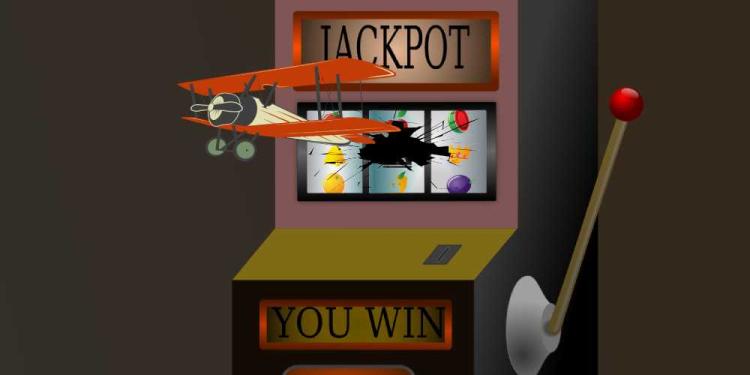
The Death of the Slot Machine on the Casino Floor
When we step into a physical casino or open a gambling app, we notice the bright flashing lights of old spin reels are already starting to feel like relics from another era. For decades, traditional reels generated huge revenue for operators everywhere, yet we now see younger players walking right past those glowing screens. They want action that feels alive and social. That’s why we’re witnessing the death of the slot machine in real time.
Games like Aviator, Spaceman, and JetX are taking over the market completely as people gather around mobile screens to watch a multiplier line climb up into the sky. You get to decide when to bail out before the whole thing crashes down to zero. It gives you a feeling of genuine control that old lever games never offered. We believe this shift marks a brand new chapter for everyone involved.
The Legacy Spinner and the Death of the Slot Machine
Old-school reel games rely on a very simple mechanic. You simply put your money in, press a round button, and watch symbols line up across set paylines. The outcome depends entirely on a hidden computer algorithm that calculates results instantly. You just sit there passively while the software decides your fate. Young adults who grew up playing interactive video games hate this passive setup as they expect quick feedback, social chat features, and real choices that feel meaningful.
Watching three mechanical reels spin around for the thousandth time feels slow and boring. And it’s that frustration that has accelerated the death of the slot machine among younger crowds. After all, with gaming you want to feel like your reflexes and quick decisions actually shape your session outcomes. When a product treats you like a passive spectator, you’ll start looking for better options somewhere else.
Demystifying Crash Mechanics
Crash games operate on an extremely simple concept. It’s something that anyone can grasp in five seconds flat. A small icon starts at a baseline multiplier like one x and begins climbing steadily upward. As that number climbs higher, your potential payout multiplies alongside it in real time. The catch is that the round can end abruptly at any random millisecond without warning. If you cash out before the sudden drop happens, you win your multiplied stake instantly. If you wait one second too long, your whole bet vanishes into thin air.
This nerve-wracking gameplay highlights the death of the slot machine as the primary draw for modern players. The fast pace of these new games keeps your heart pounding because every single moment requires your undivided attention. We’ve spent hours testing these titles, and the thrill comes from riding that edge because you control your own risk level during every second of the flight.
The Illusory Control of Cash-Out Speed
When you hover your finger over the cash out button, you’ll feel like a master tactician. You think your lightning-fast reaction time can outsmart the house math if you pay close attention. But the truth is that the mathematical house edge remains firmly active behind every single round. The game server uses a Random Number Generator to set the exact crash point before the multiplier even begins moving. So clicking faster doesn’t actually change the long-term mathematical probability of the house winning.
Even so, this psychological feeling of personal agency signals the death of the slot machine in modern iGaming because you get to select your own volatility level on the fly every round. You can cash out tiny wins at low multipliers or chase massive payouts with patient discipline. And it’s that flexibility which makes old spinning reels look incredibly rigid and uninteresting by direct comparison.
Provably Fair Technology for Transparency
Trust is a huge factor when you play for real money online. Old online spinners rely on black box software certified by distant third party testing labs like eCOGRA and iTechLabs. You never actually see the cryptographic math behind your losing spins, so you just have to trust the system. Crash titles change everything by incorporating open-source cryptographic hashing tech called Provably Fair. This system lets you verify the random outcome of every round yourself using server and client seeds.
Seeing that level of mathematical transparency confirms the death of the slot machine for tech-savvy bettors. You no longer have to wonder if a digital game cheated you out of your hard-earned deposit. In fact, you can copy the raw hash data into an independent tool and prove the result was fair. That builds genuine confidence between players and operators. Something that traditional casino software simply can’t match.
The Social Layer and the Death of the Slot Machine
Gambling used to be a lonely activity where you sat by yourself staring at mechanical symbols. But crash software changes that dynamic by placing hundreds of active players into one single shared room. You’ll see a live sidebar showing everyone’s active bets, current multiplier targets, and instant cash-out amounts. When the multiplier rockets past fifty x, the live chat panel explodes with shared excitement. Everyone cheers together during epic runs. And groans simultaneously when an unexpected early crash wipes out the board.
This community atmosphere proves the death of the slot machine is fully underway across global platforms. You’re no longer isolated in a silent digital bubble fighting against a private algorithm. You share the tension, the victories, and the losses with real people in real time. That social connection turns ordinary wagering into an engaging event you actually want to share.
FOMO and the Mechanics of Peer-Driven Volatility
Watching other people win big changes how you manage your money. When you see a username cash out thousands off a modest bet, your brain lights up immediately. You’ll start thinking that you should hold out longer on the very next round to chase that glory. That intense fear of missing out drives players to take bigger risks than they originally intended. This social pressure plays a major role in the death of the slot machine across modern platforms.
Old spinning reels can’t create this collective peer pressure because nobody sees your private gameplay screen. In a busy crash lobby, seeing someone pull off a high risk win creates an irresistible urge to follow suit. You want your own name featured at the top of the daily multiplier leaderboard. So you push your limits, hold your breath, and stay in the game just a little bit longer.
How Gamification Means the Death of the Slot Machine
Look at the layout of a classic video spinner on your phone screen. The screen is packed with bloated graphics, tiny buttons, complex paytables, and weird animated characters. To be honest, it feels heavy, clunky, and slow on a standard mobile web browser or native application. On the other hand, crash titles use clean, minimalist interfaces designed from the ground up specifically for modern touchscreens. The graph takes center stage, and your big cash-out button sits right under your thumb.
The design language takes direct inspiration from modern trading apps and fast casual mobile games. This slick mobile experience explains the death of the slot machine for mobile-first generations. Today, it’s so easy to open an app, play five rapid rounds during a quick coffee break, and pocket your winnings. Everything feels responsive, light, and optimized for quick actions on the go without any unnecessary visual clutter.
Twitch, Kick, and Stream Culture
Live streaming platforms like Twitch and Kick have completely changed how people discover and play on these new online entertainment products.. Gamers tune in by the millions to watch popular content creators react to high stakes action in real time. Old spinning reels make really terrible live stream content because pressing one button repeatedly gets boring fast. And nobody wants to watch a streamer sit silently while mechanical reels spin across a screen for hours on end.
Crash titles offer massive drama, unpredictable timing, and intense group suspense that streamers love showing off. The whole audience holds its breath while the multiplier line inches higher and higher toward astronomical numbers. Streamers scream with joy when they hit a massive payout right before a sudden market collapse. This massive broadcast appeal speeds up the death of the slot machine across the entire digital creator ecosystem. It brings thousands of new eyeballs into modern lobbies like 22Bet Casino every single day.
The Death of the Slot Machine and Operator Yields
And speaking of casino operators, they’re tracking these structural changes in player preferences very closely behind the scenes. Old spinners offer high house edges per spin, but younger players now quit those games much faster. Crash titles often carry lower margins, yet players stay engaged for much longer continuous sessions. The sheer speed of these rapid rounds creates massive wagering volume every single hour you play as greater total volume allows operators to build reliable profits despite offering friendlier overall Return to Player percentages.
Look at how 22Bet Casino highlights these real-time multiplier options right on their homepage. They know that giving you fair odds and high engagement will keep you coming back week after week. It turns out that player retention creates far better long-term revenue than trying to bleed accounts dry quickly. This economic reality guarantees that operators will keep prioritizing interactive titles over outdated physical reel formats.
The Regulatory Challenges
In the background, legal regulators are working hard to catch up with this rapid shift in digital gaming mechanics. Traditional gambling laws were written decades ago. They were specifically designed to govern physical slot reels and standard table games. Overseeing real-time multiplier curves with instant cash-out features creates brand new legal questions for state gaming boards. Are these games pure chance? Or do human reaction times introduce genuine elements of personal skill?
Following online casino news in the US reveals how state regulators are debating these exact definitions right now. Officials want to make sure consumers stay protected. Yet without smothering useful software innovations with excessive red tape. They worry about the ultra-fast round speeds allowing players to place dozens of bets per minute. As regulators figure out proper licensing pathways, operators must adapt their compliance strategies continuously. Navigating these evolving state guidelines will determine how quickly these games expand across regulated domestic markets.
From Crash to Arcade Options
The massive popularity of multiplier curves has unlocked an explosion of alternative arcade-style wagering concepts. Presently we’re seeing minefield games, interactive Plinko boards, and physics-based shooting titles popping up everywhere online. Players love digging through hidden digital grids or dropping virtual balls down spiked pegs to hit custom multipliers. These formats completely bypass the visual tropes of traditional casino floors. Quickly browsing licensed online casino sites in the US shows a growing appetite for these fresh arcade mechanics.
Online casino operators realize they can’t simply rely on traditional themes to attract the next generation of players. They need interactive formats that offer instant gratification, transparent mechanics, and intuitive controls. However, it’s worth noting that this arcade revolution builds directly on the foundation laid down by early multiplier titles. It proves that players want active participation rather than passive observation when they risk money.
The Next Evolution is Skill Hybrids and VR Integration
The line between traditional video games and real-money wagering is blurring faster than ever before with developers experimenting with true skill elements where hand-eye coordination and tactical strategy directly influence your payout chances. Imagine flying a virtual spaceship through an obstacle course while a multiplier climbs higher with every dodge. If you hit an obstacle, you crash. But if you maneuver skillfully, you secure an astronomical payout.
Virtual reality headsets could soon place you inside a 3D arena surrounded by real players from around the world. You’ll look around the digital cockpit, interact with live chat avatars, and execute cash-outs with gesture controls. This blend of gaming tech and real stakes represents the ultimate future of interactive online wagering. As technology improves, we expect these immersive experiences to redefine what online gambling looks like for future generations.
Death of the Slot Machine Brings A New Era for iGaming
We are witnessing a fundamental transformation in how people choose to gamble online today. It’s a big shift away from passive spinning reels toward interactive, transparent, and social multiplier experiences is here to stay. Players want more control over their decisions, clear verification of fairness, and a sense of shared community during their sessions. Crash titles hit every single one of these desires. While at the same time, eliminating the fluff that made older games feel boring.
Whether you play casually on your phone or follow streaming content, the industry is changing. Traditional operators must adapt to these modern expectations or risk becoming completely irrelevant to young adults. As new arcade formats and skill hybrid options continue to emerge, the future of online entertainment looks brighter and more engaging than ever. We suggest that you embrace the choice, set smart betting limits, and enjoy the ride as interactive gaming takes center stage everywhere.


