Learn to Recognise the Hidden Signs of Problem Gambling Early
Posted: August 13, 2026
Updated: August 13, 2026
-
Guides to learn when to put down the cards
-
Prevent a problematic behavior before you bet
-
Learn to Recognise the Hidden Signs of Problem Gambling
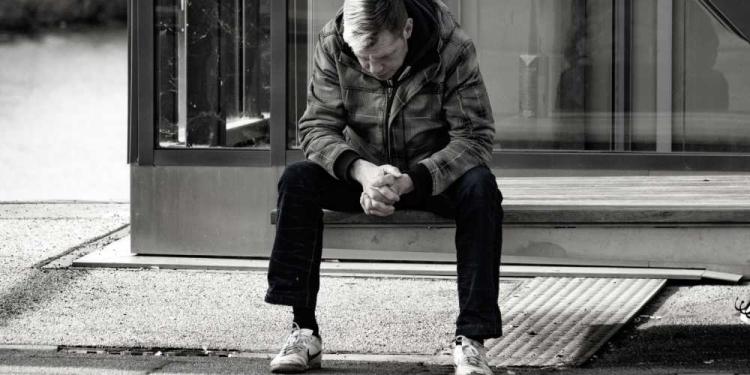
Understanding Hidden Signs of Problem Gambling
Many people think of addiction as something that’s loud or obvious. In the same way that alcohol or drugs leave visible marks on a person. But betting is different. It happens in silence behind glowing smartphone screens or quiet bank transfers. Many of us try online slots or sports wagers for some quick fun after dinner, thinking it stays simple entertainment. However, digital gambling apps build subtle traps into our routines so you might notice your partner staring at their phone during dinner. Or maybe catching yourself playing online slots late at night when you should be sleeping. It’s often a common sign of problem gambling.
We need to talk honestly about how fast a light habit turns heavy. When you look across online casino sites in the US, access sits right in your pocket twenty-four hours a day. That ease of entry removes old natural friction points like driving to a physical casino floor. Shame and doubt can build up quickly when money starts slipping away quietly. Because we want to believe everything remains fine we often miss those all too important early warning signs. We tell ourselves it was a tough week or a temporary bad run. But acknowledging trouble early gives us back control before total chaos breaks household finances.
Psychological Factors and Early Signs of Problem Gambling
It’s a scientific fact that the human brain reacts to uncertain rewards with intense chemical spikes of dopamine. To that end, betting operates on intermittent reinforcement. Essentially this means it’s the game’s unpredictability that keeps people hooked far longer than predictable wins ever could. We see this dynamic play out when even a relatively small and inconsequential win tricks the mind into feeling lucky or skillful. Look at how online apps celebrate minor payouts with bright animations, yet mask the larger losses that came right before. You may start developing small rituals or believing certain times of day bring better luck. That’s a cognitive glitch where random chance gets mistaken for personal influence.
The problem here is that over time, normal stakes feel flat and boring as the brain demands bigger wagers to feel that same nervous excitement. To be honest, today many people use the digital slots or sports books on their phones as emotional painkillers. After all, if you feel drained from work, angry after a fight, or lonely on weekends, spinning reels is going to provide a pretty fast escape from reality. Knowing how to spot these psychological patterns early helps us catch signs of problem gambling before deep financial damage takes root.
Digital Secrecy and Online Signs of Problem Gambling
Digital secrecy forms a heavy wall between partners in modern relationships. Imagine, you walk into a room, and your partner suddenly tilts their phone screen toward the floor. Or they set complex new passcodes on laptops and tablets that used to remain open on the kitchen countertop. If you look at their home screen, you might see hidden app folders or strange icons disguised as calculators. All gaming platforms like 22Bet Casino make placing rapid wagers simple. Thus allowing for placing fast bets from any web browser.
To cover their tracks, some partners might have learned technical stuff like how to clear their browser histories, clear app caches, or run incognito mode. All things to erase their digital gambling footprints. Likewise, notifications are always set to mute so text messages from betting platforms don’t suddenly flash across the lock screen. Good luck asking to borrow their phone to check a quick recipe, as they’ll freeze or react with sudden panic. That extreme privacy reveals deep fear of getting caught. Noticing the small but meaningful digital signs of problem gambling on household devices gives you another reason to start an open, honest conversation.
Emotional Volatility and Mood Signs of Problem Gambling
It’s interesting, but a person’s emotional state can be often tracked to their current win-loss balance. When a bet pays off, they walk into the room with electric energy, laughing, talkative, and being overly generous. But when a losing streak hits, then their mood drops. They instantly fall into deep irritability, quiet anger, or heavy sadness and you’ll feel like you’re walking on eggshells at home. After all, you never know which version of your partner will walk through the front door. During this phase, you’ll find they tend to pull away emotionally, avoiding eye contact and turning away from physical affection.
Additionally, simple everyday conversations turn into tense standoffs because their mind remains stuck on lost money or upcoming games. As a result, a certain restlessness sets in whenever they’re away from their phone for more than twenty minutes and they’ll start to pace around, fidget, or pick minor arguments. All things designed to create an excuse to leave the room and play a round of online poker or blackjack. As you can imagine, living with that unpredictable emotional roller coaster is a drain on everyone in the house. However, paying attention to mood signs of problem gambling helps you realize that their anger is not actually about you.
Defensive Reactions and Verbal Signs of Problem Gambling
How does your partner react when you ask simple questions about cash or time? Any sudden defensive outbursts are a huge clue that something serious is wrong. For example, if you ask why your shared account balance looks low, they might respond by accusing you of being controlling, defensive, or unsupportive. They then turn questions back onto you. Maybe they bring up old mistakes you made years ago in order to shift focus away from themselves. In fact, gaslighting becomes a common survival tactic for someone hiding deep debts. They’ll try to make you doubt your own memory about money you saved together. They laugh off your concerns or dodge direct questions with quick jokes and fast subject changes.
Some people demand total separate control over all accounts, claiming you don’t trust them enough. But the trust in a normal loving relationship is going to break down in the face of basic financial dishonesty. However, by recognizing verbal signs of problem gambling during daily conversations, you’ll be able to stay grounded in reality instead of accepting unfair blame.
Rationalizing Losses and Making Excuses
When someone’s in denial, they often create clever stories to hide their growing addiction. Likewise, when losses begin to mount, they don’t want to admit they made a bad decision. Instead, they’ll justify their actions by calling betting a harmless hobby, a social activity, or a smart financial strategy. Perhaps they’ll brag about a single two-hundred-dollar payout. While staying quiet about the two thousand dollars spent to get it. Bad results get blamed on sloppy dealers, rigged software, or simple bad luck. Over and over, you’ll hear them say how the one big win is just around the corner. How it will pay off the mortgage and solve every household problem in one swoop.
They’ll talk about betting as an investment, convincing themselves they hold special knowledge about teams or card patterns. But as we all know, the odds always favor the house over long periods. So when someone keeps insisting they hold a well hidden secret to beating the system, the sad reality is that they’re simply delusional and trying to comfort themselves. To break through, you’ll need to face hard facts head-on, instead of buying into hopeful fantasy stories.
Neglecting Daily Duties and Relationships
As betting takes over their lives, ordinary responsibilities of a marriage or partnership begin to fall by the wayside. This means chores around the house stay unfinished for days or weeks and promises. Likewise to fix things, help with homework, or run basic errands are completely forgotten. At work, performance drops. They spend office hours managing bets or stressing over lost cash. You might start to notice sloppy grooming habits, messy clothes, or erratic eating schedules taking hold. Or they might show up late to important events or cancel plans at the last minute with weak excuses.
The thing is that children notice when a parent feels distant or snappy. This is true even if kids don’t know the real reason behind the tension. In the end, the home stops feeling like a shared partnership and begins feeling like a solo management project for the non-gambling partner. That imbalance builds resentment fast. That’s why spotting these functional signs of problem gambling reminds us that real recovery requires restoring daily balance, not just stopping the bets.
Withdrawal from Social Circles and Hobbies
According to online casino news in the US, people struggling with betting slowly begin to lose interest in the things they used to love. For example, a partner who loved playing weekend soccer, painting, or working on cars suddenly loses all interest in those activities. Social gatherings with old friends feel scary to them because they’re afraid people will ask natural questions about life, work, and finances. As a result, they’ll also pull away from family barbecues and holiday dinners, often choosing to stay home alone with their phones. As you can imagine, over time, their social group shrinks down to only other people who bet or encourage heavy wagers.
Sites like 22Bet Casino offer constant action that makes regular social conversations feel slow and boring by comparison. As a result, these people make repeated excuses to skip outings, often claiming they feel sick or overloaded with work tasks. Honestly, this isolation feeds their addiction. That’s because quiet rooms provide uninterrupted time to chase bets. Take note if your partner drops their favorite passions to spend time staring at odds screens. It means that the habit has taken center stage in their life.
Physical Stress Manifestations and Sleep Issues
The body carries the heavy physical weight of hidden financial stress. You might notice your partner tossing and turning all night, unable to fall asleep until early morning hours. They wake up exhausted, dragging through days on excessive caffeine or energy drinks. In addition, chronic stress triggers physical symptoms like frequent tension headaches, stomach ulcers, high blood pressure, and muscle stiffness. Their appetite changes sharply, leading to sudden weight loss or comfort eating.
Some people turn to alcohol, sleeping pills, or prescription drugs to dull the constant anxiety running through their minds. They look pale, worn out, and visibly aged. This is from the relentless pressure of managing hidden debts. You can’t separate mental stress from physical health forever. So when physical health breaks down alongside financial secrecy, the body is really just sending an urgent warning signal that needs immediate attention and care.
The Emotional Toll on Partners and Families
Living alongside hidden addiction inflicts deep emotional wounds on partners. As such, you’ll experience a form of betrayal trauma when you discover that months or even years of shared goals were built on financial secrets. At this point all trust shatters, leaving you feeling confused, foolish, and deeply hurt. You might catch yourself becoming hypervigilant as you start checking bank accounts three times a day, searching coat pockets, or monitoring phone screens. It’s a constant state of high alert that burns out your nervous system over time. You’ll begin to worry about losing your home, your credit rating, or your ability to pay for basic needs like food and healthcare.
Shame keeps many partners quiet. It prevents them from reaching out to friends or parents for emotional support. To be honest, you may even start doubting your own intuition, wondering how you missed the warning signs for so long. At this stage you’ll need support and healing just as much as the person doing the betting. Acknowledging signs of problem gambling helps to protect your emotional sanity. Furthermore, it helps you rebuild solid ground under your feet.
Approaching Your Partner with Compassion
Talking to your partner about suspected betting requires careful preparation. We suggest that you gather objective facts first. Things like bank statements, late bill notices, or clear schedule records. However, avoid setting up a dramatic confrontation by picking a calm, private time when neither of you feels rushed, tired, or under the influence of alcohol. Use clear “I” statements to express your feelings and observations directly. For example, you can say something like, “I feel scared when I see money missing from our savings, and I want us to talk about what is happening.”
It’s best to avoid throwing angry insults or issuing wild ultimatums, especially if you don’t plan to enforce. If your partner responds with explosive anger or heavy denial, just stay calm. Always refuse to get dragged into an argument. State clearly that you love them. Yet you can’t ignore what’s happening to your shared family life. Calm but firm communication opens a door for honesty while keeping boundaries intact.
Finding Real Help and Setting Boundaries
Taking the first steps toward recovery requires practical action and firm personal boundaries. First, secure household finances immediately by opening an independent bank account for your income and putting credit locks on your personal credit reports. This isn’t about punishment. Rather, it’s just basic protection for your family’s future. Next, encourage your partner to seek professional treatment through specialized addiction counselors. This might include Cognitive Behavioral Therapy, or support groups like Gamblers Anonymous and Gam-Anon.
Modern blocking tools and self-exclusion programs can restrict access to online apps and betting websites directly. You need to understand there’s a massive difference between supporting a partner’s recovery and enabling their habit by quietly paying off their debts. Remember that people seek real change only when they feel the actual consequences of their choices. Real recovery takes time, patience, and an ongoing effort. But thousands of families rebuild stable, honest lives after facing signs of problem gambling together. Keep in mind that you don’t have to navigate this alone, and seeking help today protects your future.
Click here to play at a provider with self-exclusion options: 22BET Casino!


GAMBLING NEWS IN NEW ZEALAND


2026-09-25

2026-09-25

2026-09-25

2026-09-25

2026-09-25

2026-09-24
