How Wind Conditions and Horse Racing Shape Your Bets
Posted: September 14, 2026
Updated: September 14, 2026
When it comes to external factors, most horse race bettors are concerned about the state of the race course or the trainer. However, the wind on race day can be a huge factor in how well a horse performs.
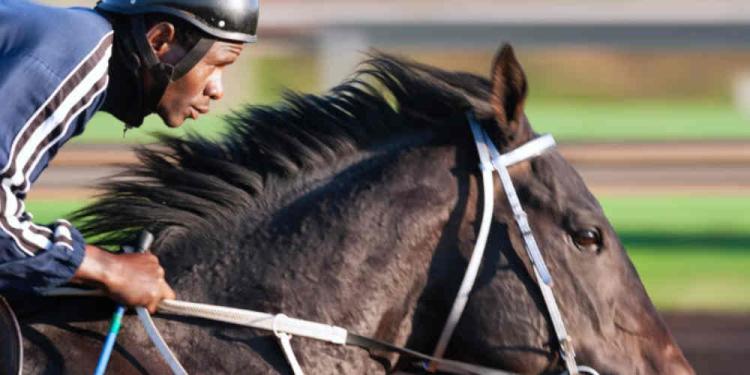
Image source: Pexels
Why Wind Conditions and Horse Racing are Linked
We have all been there when you sit down on a Saturday afternoon, open up 22Bet Sportsbook, and put your hard-earned cash on a heavily backed favorite at Newmarket. Yes, the form looks spotless and the trainer is flying high. Even better, the jockey knows the course inside out. Then the race starts, your horse hits the front almost the whole way, and then completely freezes in the final furlong. So you end up staring at a lost betting slip, wondering what on earth went wrong. Well, we learned the hard way that most punters miss a massive clue right above their heads. It’s the weather playing tricks on us. We fail to realise that, when betting on UK horse racing, wind conditions and horse racing are tightly linked in ways that standard form books will never tell you.
Equine Aerodynamics and Natural Resistance
Just imagine a horse running at top speed hitting a wall of air. Now think about riding a bicycle down a steep hill on a breezy day. The moment you decide to sit up straight, the oncoming air pushes hard against your chest and slows you down. Well, thoroughbreds face the exact same physical reality on the track as a large runner presents a massive surface area to the open air. So when a horse charges down the straight, it burns through huge amounts of energy simply pushing through invisible resistance. We often forget that these animals are not machines as every bit of wind forces their lungs and legs to work twice as hard to keep up the pace.
Calculating Vector Angles and Track Layouts
When betting at the race course, a quick glance at your weather app won’t cut it. Seeing the wind is blowing at fifteen miles per hour means nothing until you map that breeze against the track. Take a course like Cheltenham or Ascot. The home straight might point in one direction while the backstretch heads another. This means that a crosswind hitting the runners on the turn might become a direct headwind once they straighten up for home. That’s why it’s a good idea to always map the track layout against local wind directions, especially before placing a single penny. We’ll admit that it takes a tiny bit of extra effort. But understanding wind conditions and horse racing will completely change how you read a race card.
The Headwind Penalty for Front-Runnersfield conditions
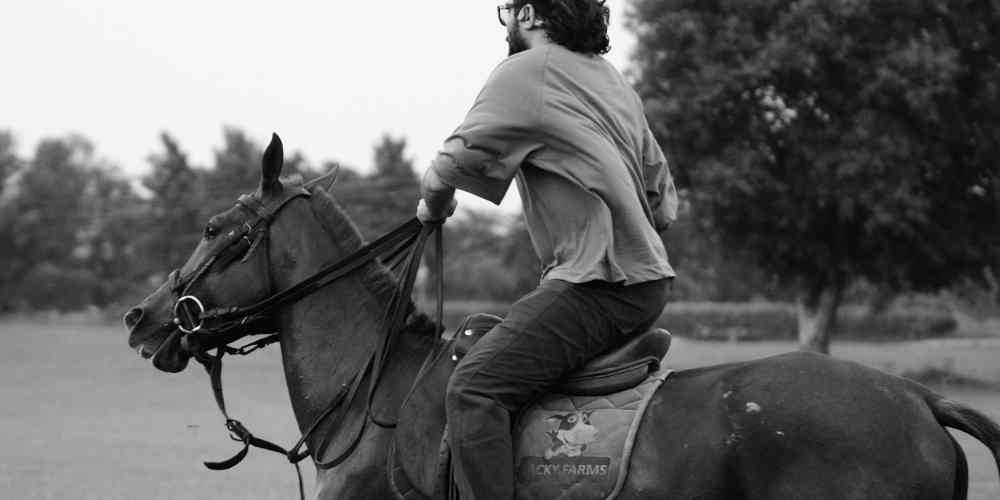
There’s nothing quite as brutal as a stiff headwind on a long stretch drive. Keep in mind that when a front-runner tries to set the pace into a gale, they’re actually doing all the heavy lifting for every other runner behind them. The horse out front acts like a human shield. So as the leader punches through the gusty air, their heart rate spikes and their muscles build up lactic acid much faster. We’ve watched dozens of talented pacemakers drop like stones in the final hundred yards at York simply because they fought the gale all by themselves from the gates and are now simply tired out, with all their energy spent fighting a headwind.
How Wind Conditions and Horse Racing Boost Tailwinds
Now flip that scenario on its head. When the breeze blows directly down the home straight toward the winning post, it gives every horse a massive shove from behind. This is where you’ll find some of the best longshot winners on online sportsbook sites in the UK. A mediocre front-runner gets an incredible advantage if there’s a tailwind at its back. Because the wind offsets aerodynamic drag, it means the horse burns far less energy to maintain top speed. So a pretty average horse can clear off, set a blistering tempo, and coast home without ever coming back to the field.
The Slipstream Effect and Pack Dynamics
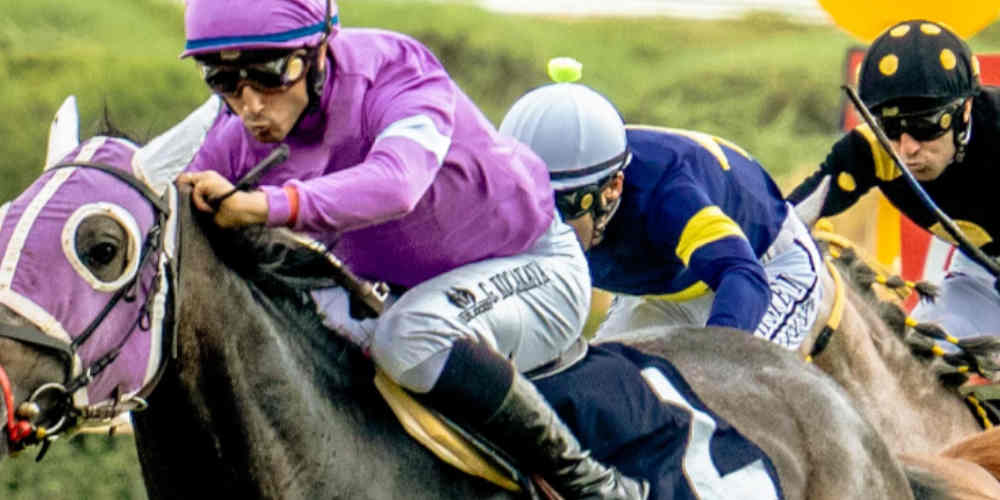
Of course, cycling fans know all about drafting. Wind conditions and horse racing work the same way. When horses run in a tight pack, the front horse takes the brunt of the air resistance and the runners tucked in behind get a free ride in the slipstream. In fact, running in a draft can cut aerodynamic drag for a horse by nearly thirty percent. As sports bettors, we always look for clever hold-up horses that like to hide inside the pack until the last possible second. As a result, they save their stamina while the leaders struggle to break the wind, setting up those running behind for a sharp late burst.
Distance Factors Across UK Racecourses
Wind impact gets much worse as the race distance grows longer. For example, a five-furlong dash at Epsom happens so fast that wind matters a bit less, though a strong tailwind still produces very fast times. But when you look at a two-mile stamina test at Goodwood, wind conditions and horse racing become the absolute main event. Over longer distances, the horses at the front face the wind for several minutes at a time. The result is cumulative fatigue from battling gusts over multiple laps, and it’ll break even the toughest stayer, more so if the jockey misjudges the pace.
Track Architecture and Local Micro-Climates
As someone who’s attended many UK race courses, we’ve witnessed how every single racecourse in Great Britain has its own personality. Grandstands, clumps of trees, and natural hills create micro-climates that alter wind patterns on the spot. A good example is a venue with a massive concrete grandstand that can block a side wind entirely, only to funnel it into a fierce wind tunnel right near the furlong pole. On the flip side, open countryside tracks give zero protection from the elements, allowing the race to be dictated to a large degree by the wind factor on the day. We always keep notes on how local track features direct the air, because official weather forecasts are going to completely miss these tiny yet consequential pockets that can have a huge effect on wind conditions and horse racing.

Sourcing Live Data for Wind Conditions and Horse Racing
Be aware that you can’t rely on the basic weather update shown on television broadcasts. Those numbers are often hours old and taken from miles away. For better and more detailed results, we grab our live data by tapping into local airport weather feeds and hyper-local meteorological apps right before race time. Watching live video feeds helps a lot too. On a practical level, take a look at the flags on top of the grandstand, check the smoke from food stalls, or watch the trees near the bends. These tiny visual clues tell you what the air is doing right now, and will help to give you a proper edge over the casual crowd.
Adjusting Raw Speed Figures for Aerodynamic Drag
Traditional speed figures can fool you if you don’t account for the weather. Imagine two horses running the exact same time over seven furlongs on different days. The first horse set that time on a calm, still afternoon, whilst the second horse clocked that exact time while battling a twenty mile per hour headwind all the way down the straight. This is a clear indicator in understanding wind conditions and horse racing that the second performance is vastly superior. In such a case we would manually adjust speed figures based on wind resistance as this helps us spot under-bet horses coming off brave runs into a gale that the public completely overlooked.
Exploiting In-Play Odds at 22Bet Sportsbook
If you’re considering betting on the horses, live betting is where this strategy pays off big time. The truth is that most automated pricing models used by bookmakers adjust for track going, but they rarely update for sudden shifts in wind direction mid-card. If a heavy shower passes through and the wind suddenly pivots to a strong tailwind, the track bias flips instantly. With this in mind, we hop onto 22Bet Sportsbook, scan the upcoming field for front-runners, and grab high odds before the trading algorithms realize the lead horses now have a massive natural sail behind them.
Pedigree Lines for Tough Wind Conditions and Horse Racing
It’s true that certain bloodlines pass down the physical traits needed to smash through tough weather. When it comes to wind conditions and horse racing, you’ll find that big, heavy-chested horses with high head carriages struggle when blowing winds push against them. They act like big boxy vans on a motorway. On the other hand, smaller, compact horses with low, efficient strides slice through headwinds like a sharp knife. As such, you should be checking sire statistics to see which runners inherit the grit and physical frame required to handle foul weather on exposed northern tracks.
Jockey Tactics and Clever Positioning in the Draft
A smart jockey is worth their weight in gold when the breeze picks up. World-class riders like Ryan Moore or William Buick know how to tuck a horse into the pocket to shield them from the elements. They will sit comfortably behind the leaders, letting other horses eat the wind until the final furlong. Conversely, inexperienced apprentice jockeys often make the fatal mistake of swinging wide too early. They expose their mount to a full blast of air on the turn, sometimes completely blowing their chances before the final sprint even begins.
Case Studies on Wind Conditions and Horse Racing Upsets
Let’s look at a real example from a blustery spring meeting at Newbury. The wind was howling straight down the home straight at around twenty-two miles per hour. Though the public kept backing strong closers as they expected the leaders to tire out as usual. But they missed the fact that the tailwind was carrying pace horses home like jet engines. This resulted in the front-runners winning five races in a row, including a thirty-one to one outsider that led from gate to post. With this result, punters who ignored the wind conditions and horse racing effects lost their shirts, while those watching the breeze cashed in hand over fist.
Building Your Own Personal Wind Model
You don’t need an advanced math degree to build a working system to help you pick winning bets. In fact, we suggest you start simple with a basic spreadsheet. Record the track name, the distance, the compass heading of the home straight, and the live wind vector. Over time, you’ll notice clear patterns emerge for specific venues. For example, you’ll quickly see which courses become death traps for pacesetters during headwinds. Integrating these simple wind adjustments into your daily form study transforms how you view raw race times, as it turns random weather into a repeatable betting tool.
Action Plan for Wind Conditions and Horse Racing Success
So where do you go from here when it comes to getting the best results from wind conditions and horse racing? Well for starters, the next time you read the latest online gambling news in the UK, skip the generic tips and pull up a live weather map instead. Be sure to check the wind direction against the home straight before picking your horses. Look for hidden value on front-runners carrying a tailwind, or back patient closers when a nasty headwind faces the leaders. Whilst the rest of the betting crowd are looking at the mud on the track and concerned about the going, you’ll be busy profiting from the air blowing right over it.
Click here to see the latest horse racing markets at the 22BET Sportsbook


GAMBLING NEWS IN UNITED STATES


2026-09-14

2026-09-14

2026-09-14

2026-09-11

2026-09-11

2026-09-11
