Poker Tournament Dynamics – Essential Elements of Pro Poker
Posted: September 26, 2025
Updated: September 26, 2025
-
The elements of a poker tournament
-
Where to find online tournaments?
-
Poker tournament dynamics
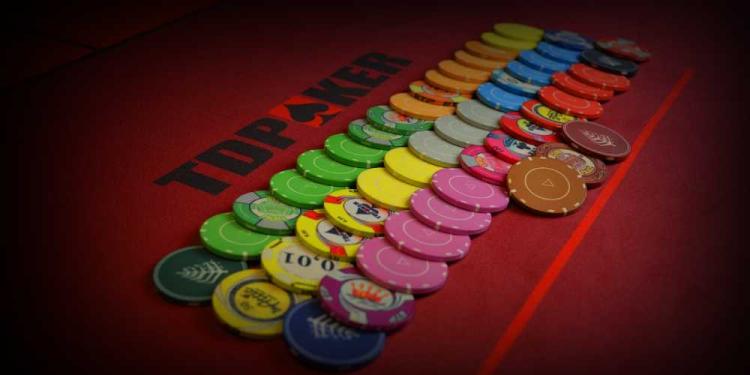
Poker tournament dynamics shape every decision from registration to the final hand. Because structures force evolution, players must adapt constantly. However, those who embrace discipline and awareness thrive.
Poker tournament dynamics create a shifting battlefield where survival depends on adaptability. Because blinds rise and stacks shrink, strategies evolve constantly. Therefore, understanding each tournament stage ensures progress from early patience to late aggression. However, success also relies on etiquette, preparation, and emotional discipline.
In this article, we are going to give you a rundown on the many different complexities of playing competitive poker. However, keep in mind that you can start your journey as small as trying out a no-buy-in tournament. Register at any of the online poker sites in the US to start playing today!
The Building Blocks – Poker Tournament Dynamics
According to Upswing Poker, the poker tournaments are defined by the ever-increasing “Blind Levels” and often mandatory “Antes”, which continuously shrink a player’s relative stack size, making deep-stacked play temporary. Strategic planning revolves around your current Stack Sizes, which are measured in chips or relative to the big blind, known as “M”, and the Effective Stack, which is the smaller of your stack or your opponent’s. Most events are “freezeouts”, meaning when you run out of chips, you’re out, though some allow rebuys/add-ons.
Players enter via registration, and opting for late registration is a strategic decision that trades deep-stack play for an immediate reduction in the field size. Thus, the building blocks of structure define everything else. Blinds, antes, stack sizes, registration choices, and tournament format combine into a framework. Due to these forces, tournament poker never remains stagnant. However, those who study the framework adapt quickly. Therefore, learning these foundations forms the first step toward lasting success. Register at Everygame Poker and join a tournament today!
The Early Stage
The dynamics of the poker tournament are separate at all stages. According to the Two Plus Two forum, the early stage utilizes a low volatility strategy, focusing on playing premium hands for maximum value since stacks are deep. The main goal is accumulation and observation: note who’s playing tight and who’s loose. With deep stacks, you have the luxury of set mining, which is calling with small pairs hoping to hit a set, because the high implied odds justify the call. Proper pot control is essential to avoid unnecessary risk, keeping the pots small when betting marginal hands or drawing to ensure you don’t commit too many chips too early.
Thus, the early stage does not crown champions. Instead, it offers survival and scouting opportunities. Because deep stacks level the field, skill emerges through control, not recklessness. Therefore, players who observe, protect, and value their chips gain leverage. They build a base for pressing harder when pressure arrives. Because of this preparation, their midgame feels more manageable. Thus, the early stage defines comfort for the journey ahead.
The Pressure Stage – Poker Tournament Dynamics
According to Reddit, as the blinds increase, the middle stage is marked by adjusting to shorter stacks and shifting play towards pre-flop committed action. Stealing the blinds becomes increasingly valuable as uncontested pots significantly increase your stack’s longevity. This is where pre-flop aggression is paramount, utilizing 3-betting, also known as re-raising and firing continuation betting more frequently to put pressure on opponents. The most dynamic part is the bubble phase. This is the critical period just before the money. This is where play drastically slows down due to ICM (Independent Chip Model) pressure on medium and short stacks trying to avoid being the last person out without a payout.
In conclusion, chip leaders abuse this pressure. With large stacks, they bully weaker opponents. Thus, the middle stage becomes a test of courage and discipline. Therefore, the pressure stage rewards flexibility. Because aggression thrives while fear spreads, brave choices earn rich rewards. However, recklessness still punishes the careless. Thus, precise awareness of timing, opponents, and structure ensures survival. This stage molds contenders ready for the final test.
Late Stage – ICM and Final Table
This is where the poker tournament dynamics turn upside-down. The late stage and final table dynamics are governed by ICM, which dictates that preserving chips when facing elimination is more valuable than winning chips, as chip value is relative to the prize pool. The chip leader’s advantage is the ability to frequently bluff and apply maximum pressure to others. In this high-stakes environment, strategic target selection is crucial. Which means picking on medium stacks that are playing tight for the money. Players must be prepared for the option of deal-making, where they agree to split the remaining prize pool based on chip counts or an ICM calculation before playing out for a small remaining amount.
Because pressure peaks here, emotional control becomes decisive. Therefore, tilt or impatience destroys chances. However, disciplined execution preserves momentum. Thus, the final table crowns not just lucky survivors, but skilled tacticians. Therefore, the late-stage rewards balance again. Because both aggression and survival matter, harmony between them proves critical. However, few players achieve this harmony consistently. Thus, champions emerge through adaptability, not raw luck.
Etiquette and Procedures – Poker Tournament Dynamics
Tournament play relies on specific procedures and etiquette. In a betting round, the dealer button and positions determine who acts last. Because this is the most advantageous position. Players must be mindful of rules like making a verbal declaration of action before placing chips to avoid a string bet. Which is an illegal action. When facing a tough decision, a player may call the time bank/call the clock to enforce a time limit on an opponent. At the end of a hand, a player may choose to simply muck their losing hand. However, if they win, they must follow the rules regarding showing hands at showdown.
Finally, good players acknowledge the service by following common tipping practices for dealers and staff. Therefore, etiquette extends beyond courtesy. Because respect ensures smooth competition, strong players embrace it. However, ignoring etiquette undermines the entire atmosphere. Thus, mastering tournament dynamics includes mastering respect.
How To Join Poker Tournaments Online?
Now that you understand the complexity of poker tournament dynamics, let’s talk about platforms! Joining online tournaments requires selecting a reputable platform. And then successfully creating an Account and Verification using a government ID. Once the account is set up, you must deposit funds; the platform provides various secure methods for depositing funds. Within the software, you can navigate the lobby, using filters for buy-in, format, and speed to find a suitable game.
Online platforms offer multiple types of online tournaments, including large field MTTs (Multi-Table Tournaments), fixed-player SNGs (Sit & Gos), and free-to-play freerolls. Therefore, joining online tournaments demands awareness. Because preparation shields against mistakes, discipline pays. However, flexibility enhances enjoyment. Thus, digital platforms extend tournament excitement globally. Register at Everygame Poker for a diverse set of tournaments!
Click here to try the live casino at Everygame Poker!


GAMBLING NEWS IN UNITED STATES


2026-03-24

2026-03-24

2026-03-23

2026-03-23

2026-03-23

2026-03-23
