The Timely End Of NFT’s And Why They Were A Scam
Posted: May 21, 2026
Updated: May 21, 2026
The collapse of the NFT market was no surprise as the entire craze was an unregulated, gamified digital casino rather than a legitimate technological revolution. Ultimately, the end of NFT's offers a vital lesson for new online gamblers.
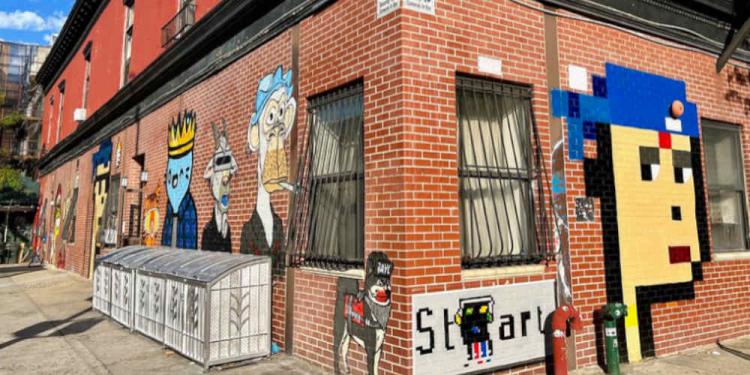
Image source: Flickr
The End of NFT’s: A Real Wake-Up Call
We all remember the wild ride of a few years ago, when you couldn’t open your phone without seeing a digital cartoon monkey selling for millions of dollars. Everyone from your neighbor to late-night television hosts was talking about the digital revolution. It felt like a train you had to jump on or get left behind forever. But fast forward to right now, and the landscape looks completely empty. We’re looking at the end of NFT’s as a mainstream financial dream. For anyone who enjoys a little flutter on the internet, this story sounds pretty familiar in that the entire craze was just a giant digital casino in disguise. We watched people lose their shirts on these digital tokens while thinking they were investing in the future of art. The truth is much simpler and a lot more sobering.
Defining Innovation vs. Speculation and the End of NFT’s
Let’s strip away all the complicated tech talk that the promoters used to confuse everyone. At its absolute core, a digital token is just a bit of code on a public ledger. It usually just points to a web link where an image is hosted. You don’t own the copyright, and you don’t own the image itself. You just own the receipt. This realization marks the end of NFT’s as a serious investment idea for regular folks. We saw the narrative change overnight from supporting independent creators to chasing fast cash. People stopped caring about creativity and started focusing purely on how fast they could flip the token to someone else. It became a game of hot potato with digital files. If you buy a token hoping to sell it in five minutes, you’re not investing. Rather, you’re playing a high-stakes game of chance.
The Mechanics of the “Mint” and the Beginning of the End of NFT’s
When a new project launched, the creators called the initial buying process a mint. You paid a flat fee, and then waited to see what random character you received. This exact process is why we see the end of NFT’s as a logical conclusion to a gambling craze. It felt exactly like pulling the lever on a classic slot machine. Your heart raced while the screen loaded the image. You prayed for a rare crown or cool sunglasses on your digital character. The creators engineered this psychological loop to keep your dopamine pumping. As regular gamblers, we all know that feeling of waiting for a big win. But with a slot machine, you know the odds are against you from the start. The token creators disguised those odds as a technological revolution, and that left a lot of innocent buyers holding empty bags.
Floor Prices and Market Depth
In a traditional card game or at the roulette table, you know exactly what your chips are worth. You can walk up to the cashier cage and exchange them for cold cash whenever you want. The token market never worked that way, and this structural flaw guaranteed the end of NFT’s as a stable market. The community kept talking about the floor price, which was the cheapest available item in a specific collection. But a floor price is completely meaningless if nobody wants to buy your specific item. We saw portfolios that looked like they were worth hundreds of thousands of dollars on paper. Then the owners tried to liquidate them to pay rent, and they found zero buyers. You cannot cash out of a market if there is no liquidity. It’s like winning a mountain of chips at a table but finding out the casino doors are locked.

Rarity Tiers and why we see the End of NFT’s
Project creators used software to mix and match different traits for their collections. They made a few tokens with gold skin or special hats, and they labeled them as ultra-rare. This artificial scarcity was a clever trick to keep players chasing the ultimate jackpot. It directly contributed to the end of NFT’s because it made the base versions feel totally worthless. Regular people spent their hard-earned money on common items, only to watch their value plummet instantly. We watched traders flip common tokens at a loss just to get enough funds for another roll of the dice. It was a vicious cycle of chasing losses that any experienced gambler would recognize immediately. The psychological pressure to find that one-of-one item ruined countless bank accounts.
Wash Trading and the Real End of NFT’s
Imagine walking into a backroom card game where three players are secretly working together to trick you. They bid up the pot between themselves to make the game look exciting, but it’s all a show. That’s exactly what wash trading looked like in the digital token markets, and it led straight to the end of NFT’s. Wealthy insiders used multiple anonymous digital wallets to buy and sell the same token back and forth to themselves. They artificially pumped the volume and the price to make the project look like the hottest thing on earth. Unsuspecting retail buyers saw the activity and jumped in with real money. Then the insiders stopped trading, the fake volume vanished, and the price crashed to absolute zero. The house always wins when the dice are loaded from the beginning.
The Psychological Triggers that brought the End of NFT’s
The promoters of these projects used chat apps and social media to create a constant sense of absolute panic. They told you that if you didn’t buy right this second, you would miss your only chance at wealth. This manufactured urgency is a classic trick used by unregulated gaming operations, and it accelerated the end of NFT’s. We all know how fear of missing out (“FOMO“) can cloud our judgment and make us do silly things. You see notifications flashing, and you see other people celebrating their wins online. It creates a powerful illusion that everyone is getting rich except you. That near-miss effect keeps you hooked on the screen for hours. It makes you feel like your big win is just around the corner, so you keep playing.
Celebrity Endorsements and the Ultimate End of NFT’s
Suddenly, every famous pop star and sports hero was changing their profile picture to a cartoon animal. They talked about these projects on television talk shows as if they were revolutionary cultural movements. This massive wave of unpaid and undisclosed promotion built a giant bubble that caused the end of NFT’s. Regular people trusted these famous faces and assumed the investments were safe and legitimate. We know now that many of those celebrities received those tokens for free or got paid under the table to talk them up. They were acting as high-profile promoters for a casino that they did not even play in themselves. When the hype died down, the celebrities like Kim Kardashian quietly deleted their tweets, and their fans lost everything.

Marketplaces, Platforms, and Casino Designs
If you look at a modern digital marketplace for tokens, the design choices are very intentional. You’ll see flashing green lights, rising leaderboards, and live tickers showing every single transaction. To be honest, it looks identical to the layout of a modern digital iGaming platform like 22Bet Casino. The developers designed these interfaces to keep your eyes locked on the screen and your funds moving constantly. The platforms made money on every single transaction through platform fees and creator royalties. They didn’t care if you made a profit or lost your life savings on a bad trade. The house took its cut from every single flip of a token. It was a highly profitable business model built entirely on the backs of retail players who thought they were part of a tech movement.
The Regulatory Blindspot
For a long time, this digital market operated completely outside the law. There were no consumer protection rules, no age verification checks, no KYC, and no responsible gaming tools to protect vulnerable people. This complete lack of oversight is a major reason for the final end of NFT’s today. If you look at the legitimate online casino sites in the US, you’ll see strict rules and heavy auditing to ensure fairness. The token markets had none of that security or peace of mind for buyers. In other words, anyone could launch a project from an anonymous account, take millions of dollars, and walk away without any legal consequences. It was the wild west of finance, and regular people paid the ultimate price for that lack of regulation.
The Rug Pull and the Hard End of NFT’s
The term “rug pull” became a regular part of the vocabulary for anyone tracking this market. It describes a situation where a development team raises millions of dollars from a launch and then completely disappears. They shut down their social media accounts, delete their chat servers, and abandon the project entirely. This rampant dishonesty is what truly solidified the end of NFT’s for the general public. We talked to folks who lost their entire life savings to anonymous developers who promised grand video games and virtual worlds. In reality, there was never a plan to build anything at all. The creators just wanted to collect the initial launch money and run away. It was the digital equivalent of a rigged table where the dealer steals the chips and runs out the back door.
Community Echo Chambers
The social aspect of these projects was perhaps the most dangerous part of the entire experience. If you expressed any doubt about a project, the community would attack you instantly. They used phrases like diamond hands to pressure people into holding onto their crashing assets. This cult-like behavior blinded people to reality and made the end of NFT’s incredibly painful for true believers. We saw friends shame each other for taking profits or trying to cut their losses. It created an environment where everyone had to pretend that everything was fine while the ship was actively sinking. The emotional toll of these communities was massive, leaving people isolated and financially broken when the illusion finally shattered.
Looking at iGaming and What Remains Today
Now that the dust has completely settled, we can look at what is actually left standing in the market. The answer is very little, as the vast majority of those projects are completely dead and forgotten. If people want to take a risk with their money today, they prefer trusted and properly licensed platforms like 22Bet Casino where the rules are clear and legally enforced. The end of NFT’s showed us that separating digital art from speculative tokens is absolutely necessary. A few genuine digital artists are still using the underlying technology to track the history of their work, which is fine. But the idea of mass-produced cartoon pictures acting as financial assets is completely finished. The public has lost all interest in playing a game where the rules change every single day.
Staying Safe and Reading the Online Casino News
If you are new to the world of online entertainment, you need to learn the right lessons from this historical bubble. It’s vital to check the latest online casino news in the US to see how regulated platforms operate safely. The end of NFT’s teaches us that transparency and legal oversight are your best friends when risking money online. As such, you should never put your cash into an ecosystem that operates in the shadows without any accountability. Legitimate digital entertainment should have clear terms, proven odds, and reliable customer support systems. Don’t let smooth-talking promoters convince you that an unregulated token is a safe investment. Stick to entertainment options that are upfront about what they are and how they work.
Lessons Learned from the End of NFT’s
Now we can look back at the entire phenomenon as a fascinating piece of internet history and financial mania. The wild ride was never really about technology or art. But rather about the timeless human desire to get rich quick. The end of NFT’s is a healthy development that clears the air and protects future consumers from predatory schemes. We hope that new players take these lessons to heart and avoid the traps like gambling with NFT’s that ruined so many early adopters. If you want to enjoy a game of chance, do it in a place where the rules are fair and the house is properly licensed and regulated. The digital token casino is officially closed, and the lights are finally turned off for good. Let’s move forward in our digital lives with a bit more wisdom and a lot less hype.
Click here to play some standard casino games at 22BET


GAMBLING NEWS IN UNITED STATES


2026-10-05

2026-10-05

2026-10-02

2026-10-02

2026-10-02

2026-10-01
